Rising geopolitical tensions around the Strait of Hormuz have raised an important question for financial markets: if this critical energy corridor is blocked for an extended period, how will it affect Bitcoin and the overall cryptocurrency market? The strait is one of the world’s most vital energy chokepoints, with approximately 20 million barrels of oil and petrochemical products passing through daily. Therefore, a large-scale transportation disruption could trigger a global energy supply shock.
The core issue currently is the lack of alternative routes. The capacity of pipelines that bypass the strait is very limited, and a significant portion of global liquefied natural gas (LNG) trade also depends on this route. If shipping volumes sharply decline, oil and gas prices could surge, leading to inflation and dragging down global economic growth. Financial markets often react with chain effects: rising energy prices, increased inflation expectations, central banks facing policy dilemmas, tightening financial conditions, and ultimately investors reducing exposure to risk assets.
For Bitcoin, such a macro environment often exerts short-term downward pressure. Since 2020, Bitcoin’s performance has been more risk asset-like compared to traditional safe havens. During global crises, its price tends to move in tandem with stocks. Historical experience shows that geopolitical shocks usually trigger a liquidity-driven sell-off first, followed by a gradual market stabilization.
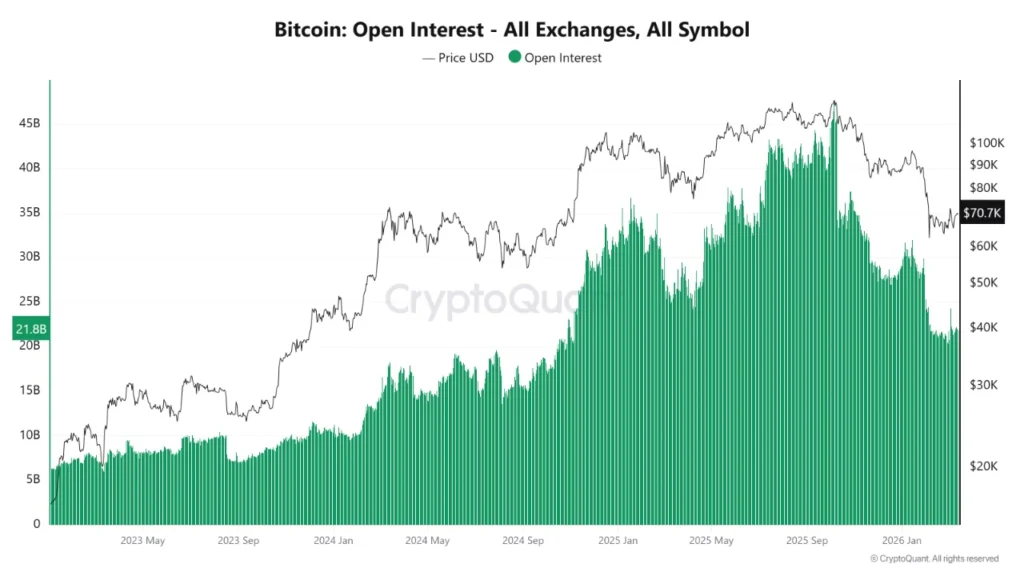
In this context, closely monitoring derivative indicators becomes especially important. Open interest (OI) measures the total number of unsettled futures contracts, reflecting the active leverage in the market. Perpetual contract funding rates indicate whether bulls or bears are dominant. When open interest and extreme funding rates rise simultaneously, it often signals overly crowded positions, increasing the risk of cascading liquidations (margin calls) during market shocks.
Disclaimer: The information on this page may come from third parties and does not represent the views or opinions of Gate. The content displayed on this page is for reference only and does not constitute any financial, investment, or legal advice. Gate does not guarantee the accuracy or completeness of the information and shall not be liable for any losses arising from the use of this information. Virtual asset investments carry high risks and are subject to significant price volatility. You may lose all of your invested principal. Please fully understand the relevant risks and make prudent decisions based on your own financial situation and risk tolerance. For details, please refer to
Disclaimer.


