

Trade
Trading Type
Spot
Trade crypto freely
Pre-Market
Trade new tokens before they are officially listed
Margin
Magnify your profit with leverage
Convert & Block Trading
0 Fees
Trade any size with no fees and no slippage
Alpha
Points
Get promising tokens in streamlined on-chain trading
Leveraged Tokens
Get exposure to leveraged positions simply
Futures
Futures
Hundreds of contracts settled in USDT or BTC
Options
HOT
Trade European-style vanilla options
Unified Account
Maximize your capital efficiency
Demo Trading
Futures Kickoff
Get prepared for your futures trading
Futures Events
Participate in events to win generous rewards
Demo Trading
Use virtual funds to experience risk-free trading
Earn
Launch
CandyDrop
Collect candies to earn airdrops
Launchpool
Quick staking, earn potential new tokens
HODLer Airdrop
Hold GT and get massive airdrops for free
Launchpad
Be early to the next big token project
Alpha Points
NEW
Trade on-chain assets and enjoy airdrop rewards!
Futures Points
NEW
Earn futures points and claim airdrop rewards
Investment
Simple Earn
Earn interests with idle tokens
Auto-Invest
Auto-invest on a regular basis
Dual Investment
Buy low and sell high to take profits from price fluctuations
Soft Staking
Earn rewards with flexible staking
Crypto Loan
0 Fees
Pledge one crypto to borrow another
Lending Center
One-stop lending hub
VIP Wealth Hub
Customized wealth management empowers your assets growth
Private Wealth Management
Customized asset management to grow your digital assets
Quant Fund
Top asset management team helps you profit without hassle
Staking
Stake cryptos to earn in PoS products
BTC Staking
HOT
Stake BTC and earn 10% APR
GUSD Minting
Use USDT/USDC to mint GUSD for treasury-level yields


More
Promotions
Activity Center
Join activities and win big cash prizes and exclusive merch
Referral
20 USDT
Earn 40% commission or up to 500 USDT rewards
Announcements
Announcements of new listings, activities, upgrades, etc
Gate Blog
Crypto industry articles
VIP Services
Huge fee discounts
Proof of Reserves
Gate promises 100% proof of reserves

Trending Topics
View More141.12K Popularity
10.56K Popularity
78.96K Popularity
1.55K Popularity
1.88K Popularity
Hot Gate Fun
View More- MC:$8.1KHolders:2019.13%
- MC:$3.53KHolders:10.00%
- MC:$3.53KHolders:10.00%
- MC:$3.53KHolders:10.00%
- MC:$3.54KHolders:10.00%



Pin
New Version, Worth Being Seen! #GateAPPRefreshExperience
🎁 Gate APP has been updated to the latest version v8.0.5. Share your authentic experience on Gate Square for a chance to win Gate-exclusive Christmas gift boxes and position experience vouchers.
How to Participate:
1. Download and update the Gate APP to version v8.0.5
2. Publish a post on Gate Square and include the hashtag: #GateAPPRefreshExperience
3. Share your real experience with the new version, such as:
Key new features and optimizations
App smoothness and UI/UX changes
Improvements in trading or market data experience
Your fa🎉 Share Your 2025 Year-End Summary & Win $10,000 Sharing Rewards!
Reflect on your year with Gate and share your report on Square for a chance to win $10,000!
👇 How to Join:
1️⃣ Click to check your Year-End Summary: https://www.gate.com/competition/your-year-in-review-2025
2️⃣ After viewing, share it on social media or Gate Square using the "Share" button
3️⃣ Invite friends to like, comment, and share. More interactions, higher chances of winning!
🎁 Generous Prizes:
1️⃣ Daily Lucky Winner: 1 winner per day gets $30 GT, a branded hoodie, and a Gate × Red Bull tumbler
2️⃣ Lucky Share Draw: 10🎨 Gate AI Creation Contest | One Sentence, Draw Your 2026
On Gate Square, anyone can be a visual creator — truly zero barriers to entry.
With just one sentence, generate an image and bring your vision of 2026 to life.
Create and post your work using Gate Square AI Creation for a chance to win the Gate Year of the Horse New Year Gift Box.
📅 Duration
Dec 17, 2025, 10:00 – Jan 3, 2026, 18:00 UTC
🎯 How to Join
1. Go to Gate Square → Create Post → AI Creation
2. Enter one sentence to generate your image
3. Post with #GateAICreation
🏆 Rewards
5 winners: Gate Year of the Horse New Year
#数字资产市场动态 $ZEC $BCH $UNI
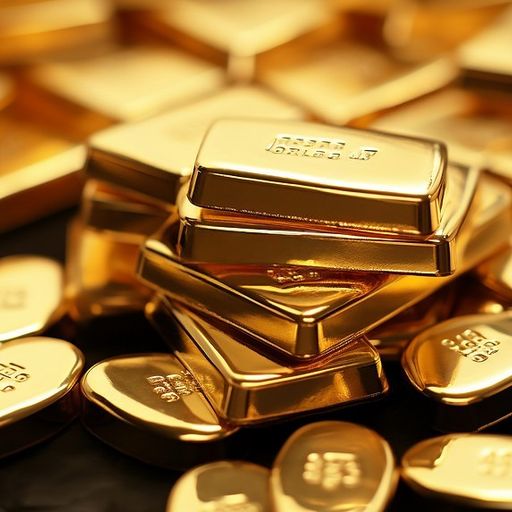
🔥 Global central banks are staging a silent "hard asset competition": for three consecutive years, they have been purchasing over a thousand tons of gold annually!
What does this reflect? Simply put—confidence in the US dollar system is wavering among central banks.
🪙 Data speaks:
In 2024, global central banks net bought 1136 tons of gold, marking the third consecutive year surpassing a thousand tons. Poland, Brazil, Turkey, Singapore… one after another, they are joining the gold hoarding camp. China's central bank is even more steady, increasing holdings for 13 consecutive months, with gold reserves exceeding 2300 tons.
Why is everyone rushing for gold?
📊 Cracks are appearing in the dollar system: the proportion of US dollar foreign exchange reserves has fallen to a historic low of 44%, and US debt has surpassed the $38 trillion mark. When credit issues arise, countries are seeking hard currencies. De-dollarization is no longer just a slogan but a tangible action.
💥 Geopolitical tensions are also fueling this trend: expectations of Fed rate cuts are strengthening, while monetary policies in Europe and Japan are diverging, eroding the dollar’s dominance. In this context, gold has become the final "sovereign safe haven."
🎯 Gold prices have already broken through $4500—but there’s a question worth pondering:
Central bank gold purchases are strategic moves, but for ordinary investors, chasing high prices blindly can be risky. However, one thing is undeniable—the global monetary trust system is being revalued, and the importance of gold as the ultimate value anchor is being reassessed.
When central banks are replacing part of their dollar reserves with gold, what does this indicate? It suggests that, from a sovereign asset allocation perspective, the influence of hard assets is increasing.
💎 The core logic behind this shift:
The old monetary order is adjusting, and countries are preparing for possible upheavals. For ordinary investors, instead of blindly chasing gains, it’s better to understand the underlying logic—macro patterns are evolving, and asset allocation paradigms are changing.
Will gold continue its bullish trend, or is this just a fleeting moment?
What’s your view on this "hard asset revolution" by central banks?