

Trade
Basic
Futures
Futures
Hundreds of contracts settled in USDT or BTC
TradFi
Gold
Trade global traditional assets with USDT in one place
Options
Hot
Trade European-style vanilla options
Unified Account
Maximize your capital efficiency
Demo Trading
Futures Kickoff
Get prepared for your futures trading
Futures Events
Participate in events to win generous rewards
Demo Trading
Use virtual funds to experience risk-free trading
Earn
Launch
CandyDrop
Collect candies to earn airdrops
Launchpool
Quick staking, earn potential new tokens
HODLer Airdrop
Hold GT and get massive airdrops for free
Launchpad
Be early to the next big token project
Alpha Points
Trade on-chain assets and enjoy airdrop rewards!
Futures Points
Earn futures points and claim airdrop rewards
Investment
Simple Earn
Earn interests with idle tokens
Auto-Invest
Auto-invest on a regular basis
Dual Investment
Buy low and sell high to take profits from price fluctuations
Soft Staking
Earn rewards with flexible staking
Crypto Loan
0 Fees
Pledge one crypto to borrow another
Lending Center
One-stop lending hub
VIP Wealth Hub
Customized wealth management empowers your assets growth
Private Wealth Management
Customized asset management to grow your digital assets
Quant Fund
Top asset management team helps you profit without hassle
Staking
Stake cryptos to earn in PoS products
Smart Leverage
New
No forced liquidation before maturity, worry-free leveraged gains
GUSD Minting
Use USDT/USDC to mint GUSD for treasury-level yields

More


Trending Topics
View More68.93K Popularity
101.24K Popularity
198.05K Popularity
21.25K Popularity
11.5K Popularity



Pin
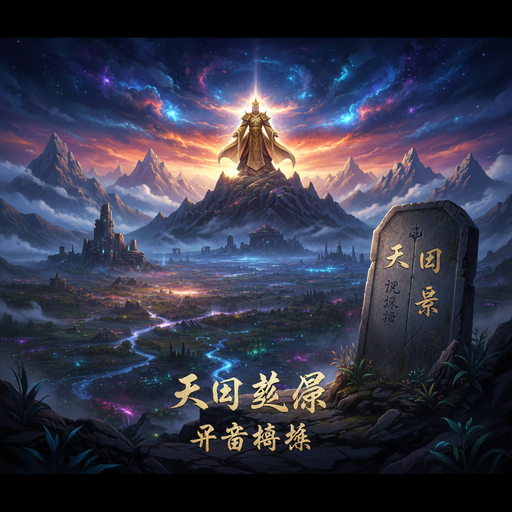
[Red Envelope] Brother Bai Bei reads Chapter 17 of the "Tao Te Ching": The best investment is quietly making money without anyone noticing!
Chapter 17 Original Text [Taogu Ba]
Taishang, knows the existence of all;
Next, he is close and praises it;
Next, he fears it;
Next, he despises it.
If trust is insufficient, there will be disbelief.
Esteemed words are precious.
When achievements are accomplished and tasks completed, the common people all say: “It’s natural for me.”
In the previous chapter, we discussed cultivating emptiness, maintaining tranquility, observing the return to roots, aligning with cycles and trends—these are about the inner principles of investing and market laws. Being able to stay calm, see clear trends, and follow cycles already puts you above most people.
What Chapter 17 reveals from the Dao De Jing is an even higher level: realm or境界 (state of mind). Yes, that almost stigmatized word. It refers to a person’s level of understanding of the market, trust in the laws, and the state of being natural, effortless, and transparent when trading to the extreme.
This chapter does not talk about indicators, candlesticks, or methods. It only discusses levels of cognition and trading mindset. The level you are at determines how much money you can make and how far you can go.
The highest realm is where people only know of his existence.
For us investors, he is unpretentious, unanxious, does not predict frequently, and does not make random statements. While others chase gains and sell at losses, busy entering and exiting, he remains calm, composed, and follows the trend as if he does not exist.
He merges with the market, follows the laws, rather than fighting against it. When the trend arrives, he holds positions; when it departs, he observes; when cycles come, he makes arrangements; when cycles pass, he exits.
Ordinary people cannot understand him with their own perspective because he does not trade based on emotions or rumors. He only trusts laws, cycles, trends, and his objectively quantified system.
This is the highest realm of investing: seemingly doing nothing, yet doing everything; appearing calm, yet enduring long-term.
One level below the highest realm, people value others’ recognition, care too much about gains and losses, and about praise or blame. Being close and praising seems glorious, but it has already deviated from the “Dao.”
The true ideal state is to act without action, teach without words, allowing people to live spontaneously, without deliberate kindness or showing virtue.
In investing, this means simply following the rules, doing what you should do, without overly caring about gains or losses, nor about others’ opinions. Be brave to follow your own path and stick to your judgment.
Investing requires walking a narrow path. This path is lonely; true masters dare to be different, brave to be different, without caring about others’ opinions or market views, and persist in their independent judgment.
In short, “close and praise” is the second level of governance described by Laozi, reflecting a secondary optimal state of virtue-based influence. He not only does well himself but also happily helps others, giving roses and gaining fragrance, but it does not reach the natural realm of “the people do not know his governance.”
Once you start caring about praise or blame, your mindset becomes chaotic; once you care about market approval, you dare not judge independently; once you seek to prove yourself, you tend to go against the trend, act rashly, and hold onto positions, easily leading to losses and mediocrity.
A lower level is ignorance and fear of the market.
These investors do not understand the laws, cannot see the trend clearly, and cannot grasp cycles. They fear rising prices, fear falling prices, fear pullbacks when holding, fear missing out when in cash, cannot hold stocks, and regret cutting losses.
They know little about the market, lack confidence in themselves, and lack understanding of laws. They live daily in anxiety, led by the market.
Fearing it is not respecting the market but being afraid of it. Respect can keep one disciplined; fear stems from ignorance—lack of understanding of the market.
Of course, fearing because of ignorance is better than being ignorant and unrespectful. Ignorance combined with lack of respect is the beginning of disaster, which is what the next section discusses.
The lowest level of investors are ignorant, arrogant, dismissive of laws, and disrespectful of the market. When a novice hears the Dao, they laugh loudly; without laughter, it’s not Dao.
When prices rise, they think they are stock gods; when prices fall, they curse the market, the main players, and the environment, never reflecting on themselves.
They heavily leverage against the trend, trade frequently, do not cut losses, lack risk control, listen to rumors, and trade on feelings. When wrong, they blame the market.
They ignore trends, oppose cycles, violate laws, treat investing as gambling, and trading as pride.
Despising it means looking down on the market, dismissing the Dao, and underestimating laws.
Laozi said: “Not knowing the constant, recklessly doing harm.”
Those who despise it will ultimately be harshly taught by the market.
Why do some people close and praise, fear it, or despise it? The root cause is trust deficiency.
They lack trust in market laws, cycle operations, trend strength, and their own systems.
Because they don’t trust, they chase news; because they don’t trust, they chase rises and sell declines; because they don’t trust, they act recklessly; because they don’t trust, their hearts are unsettled, and their actions are unsteady.
Lack of trust stems from ignorance—knowing little about the market but not knowing it—and not knowing oneself. The greatest enemy in investing is not market fluctuations but the inner instability, ignorance of limits, and lack of self-awareness.
True masters are calm, composed, few words, and do not speak recklessly.
In trading, this means not making predictions lightly, not fully deploying positions, not making statements, and not being easily disturbed.
Esteemed words mean not issuing trading commands impulsively. Avoid unnecessary positions, emotional orders, chasing useless momentum, or gambling on uncertainty.
The master’s trading state is: mostly observing, waiting, maintaining tranquility, and watching for opportunities. When the timing is right, act; when the trend is unclear, wait; when cycles are not ripe, hold back. When acting, it aligns with the trend; when exiting, it follows the law.
Esteemed words are slow, steady, few, precise—doing less, but earning longer and more steadily than those who operate daily.
What is the highest state of investing?
Making money, crossing cycles, capturing trends—others think he’s extraordinary, but he says: “I am just following laws and trends.” There are no gods in the world, only those who discover and master laws.
No miracles, no luck, no correct guesses, no divine operations. Just maintaining tranquility, observing, following the trend, knowing when to stop.
When the trend arrives, I follow; when it departs, I retreat; when cycles come, I act; when laws are clear, I proceed. Everything is natural—effortless, unentangled, un anxious, unstruggling.
This is the ultimate state of investing: aligning with laws.
It’s not that I have defeated the market, but that I have followed it; not that I am powerful, but that I respect the laws.
There are no stock gods in the market—only those who discover and respect market laws.
Chapter 17 discusses four levels of investment realm.
The highest investor is modest, calm, and follows the trend; the next seeks praise and recognition; the next is fearful and anxious; the lowest despises the market, disrespects laws, and ultimately suffers the consequences.