Understanding Cryptocurrency: A Beginner's Guide
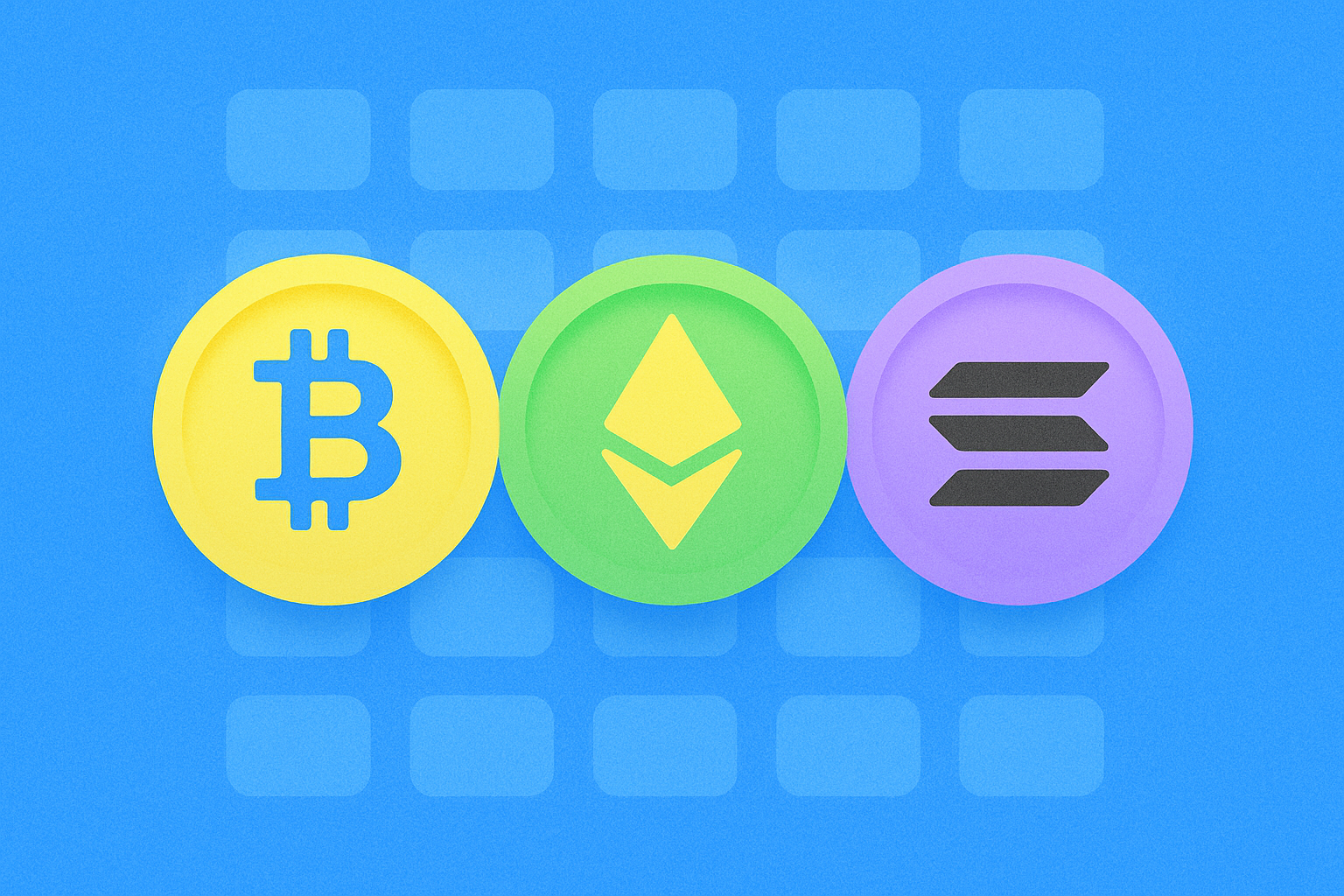
What is Cryptocurrency, and How Does It Work?
What is a Cryptocurrency?
A cryptocurrency is a digital currency secured by cryptography, functioning as a digital asset primarily used as a medium of exchange. Unlike traditional fiat currencies controlled by central authorities, cryptocurrencies operate globally, 24/7, independently of intermediaries such as banks and payment processors.
The decentralized nature of cryptocurrencies facilitates peer-to-peer transactions directly between individuals. Instead of using physical wallets and bank accounts, users access their cryptocurrency through unique crypto wallets or digital asset platforms. This fundamental shift in financial architecture removes the need for trusted third parties, empowering users with greater control over their assets.
Bitcoin holds the distinction of being the first and most popular cryptocurrency. Created in 2009 by a person or group operating under the pseudonym Satoshi Nakamoto, Bitcoin established the foundational principles that would inspire thousands of subsequent cryptocurrencies. Each of these emerging cryptocurrencies possesses unique characteristics and purposes. Beyond serving as a medium of exchange, cryptocurrencies have found applications across diverse sectors including decentralized finance (DeFi), artificial intelligence, gaming, governance, healthcare, and digital collectibles.
How Does Cryptocurrency Work?
Blockchain Networks
Most cryptocurrencies are decentralized systems that utilize a distributed network of computers to manage and record transactions in a public ledger known as a blockchain. When you send Bitcoin to a friend, your transaction must be collectively verified and validated by network nodes.
Each computer node maintains a local copy of the blockchain and updates its records whenever new data is added to the ledger. Once cryptocurrency transactions are validated and confirmed by the network, they are permanently recorded in the blockchain database. This distributed architecture significantly enhances network security by eliminating single points of failure. If a node attempts to validate invalid transactions or behaves maliciously, the network quickly removes that node from participation.
Cryptography
Cryptocurrencies employ cryptography to secure transactions, maintain data integrity, and control the creation of additional units. When you access your wallet and execute a cryptocurrency transaction, you use your private key to generate a digital signature. The network then verifies your signature, and if validation succeeds, your transaction is added to a new block.
The blockchain functions as a chain of interconnected blocks, with each block containing a unique list of cryptocurrency transactions. This cryptographic linking ensures that any attempt to alter historical transactions would require recomputing the entire subsequent chain, making the system virtually tamper-proof.
What Makes Cryptocurrency Unique?
Decentralization
Cryptocurrencies empower users with complete control over their assets. Their decentralized architecture eliminates the requirement for a central authority, making them resistant to manipulation or control by any single entity. This independence from institutional gatekeepers represents a fundamental departure from traditional financial systems.
Transparency and Immutability
Blockchain technology records all transactions in a transparent and immutable ledger. Once a transaction is added to the blockchain, it becomes virtually impossible to modify or delete. This permanent record creates accountability and allows participants to verify the integrity of the entire transaction history.
Programmability
Many cryptocurrencies, such as Ethereum (ETH), are open-source and programmable, enabling developers to implement smart contracts and create decentralized applications (DApps) and other innovative solutions built on blockchain infrastructure. This programmable nature fosters ecosystem development and continuous innovation.
Borderless Transactions
Cryptocurrencies can be sent and received anywhere in the world, making them ideal for international transactions and remittances. Geographic boundaries pose no constraints, and transaction times depend on network conditions rather than traditional banking hours or intermediary processing delays.
Limited Supply
Many cryptocurrencies feature a limited supply mechanism. Bitcoin, for example, has a predictable issuance rate and a maximum supply of 21 million coins, contributing to its potential as a store of value and protection against inflation through excessive monetary supply increases.
What is Crypto Market Cap?
The term "crypto market cap" refers to a measurement unit used to determine a cryptocurrency's relative size and value. You can calculate it using the following formula:
Market Capitalization = Circulating Supply × Current Price
Crypto market cap serves an important function in ranking cryptocurrencies, where a higher market capitalization generally indicates a more stable and widely accepted cryptocurrency. This metric helps investors assess the relative significance and maturity of different digital assets within the broader cryptocurrency ecosystem.
Top 5 Cryptocurrencies by Market Capitalization
Bitcoin (BTC)
Bitcoin, created by the pseudonymous Satoshi Nakamoto, stands as the first and most prominent cryptocurrency. It is widely utilized as both a store of value and a medium of exchange. Bitcoin employs a consensus mechanism called proof-of-work (PoW), wherein miners compete to validate transactions and secure the network. Bitcoin's capped supply of 21 million coins makes it relatively scarce, contributing to its appeal as a deflationary asset.
Ether (ETH)
Ether (ETH) serves as the native cryptocurrency of the Ethereum blockchain. Ethereum operates a decentralized network enabling developers to construct DApps using smart contracts. A significant transition occurred when Ethereum migrated from proof-of-work to proof-of-stake (PoS), substantially improving efficiency and reducing energy consumption while maintaining network security through alternative validation methods.
Native Blockchain Cryptocurrency
A major blockchain ecosystem introduced in 2017 as a token has since transitioned to its own independent blockchain and now functions as the native cryptocurrency of its ecosystem. This blockchain provides an environment for smart contracts and DApps with significantly lower transaction fees and faster processing times compared to many alternative blockchains.
Tether (USDT)
USDT represents a USD-pegged stablecoin launched in 2014 by Tether Limited Inc. Stablecoins are cryptocurrencies designed to maintain a consistent value relative to a reserve asset, typically a fiat currency. Each USDT token is backed by equivalent assets held in the company's reserves, providing price stability and making it suitable for transactions where value predictability is essential.
Solana (SOL)
SOL serves as the native cryptocurrency of the Solana blockchain, a third-generation proof-of-stake blockchain launched in 2020. Solana distinguishes itself through high data throughput capacity, rapid transaction processing, and minimal transaction fees, making it attractive for applications requiring scalability and cost-effectiveness.
How to Invest Safely in Crypto
Conduct Your Own Research (DYOR)
Before investing, it is essential to understand blockchain technology fundamentals, different types of cryptocurrencies, and market dynamics. Books, blogs, podcasts, and online courses provide excellent starting points for building foundational knowledge and developing informed investment perspectives about what cryptocurrency means and how it functions.
Beware of Scams
The cryptocurrency space experiences various forms of fraud and deception. Exercise caution when interacting with unknown parties online, and remain vigilant against pyramid schemes and Ponzi schemes. Carefully verify social media accounts to avoid falling victim to fake profiles impersonating legitimate projects or influencers.
Start Small
The cryptocurrency market exhibits significant volatility. It is prudent to begin with small investments that represent amounts you can comfortably afford to lose without causing financial hardship, allowing you to learn through experience while limiting potential losses.
Stay Informed
The cryptocurrency landscape evolves rapidly, making it crucial to maintain awareness of market news, technological advancements, and regulatory developments. Regular engagement with reputable information sources helps you adapt your strategies to changing conditions.
Choose a Reputable Digital Asset Platform
Selecting a well-established and secure digital asset trading platform should be your highest priority. Evaluate different platforms considering factors such as trading volume, fee structures, customer support quality, security measures, and available cryptocurrency offerings.
Practice Risk Management
Before investing in any cryptocurrency, implement risk management techniques including investing only amounts you can afford to lose and setting stop-loss orders to limit potential losses. Proper risk management preserves capital and enables sustainable long-term participation in cryptocurrency markets.
What is a Crypto Whitepaper?
A cryptocurrency whitepaper is a technical document that explains the details and specifications of a blockchain project. It typically includes information about project objectives, operational mechanisms, underlying technology, the involved team, token economics (tokenomics), and development roadmaps. These documents serve as blueprints for understanding project vision and implementation strategy.
However, no standardized regulations govern whitepapers, and they may contain misleading or inaccurate information. The responsibility for verifying the accuracy of claims presented in a whitepaper rests with individual users and potential investors. Careful scrutiny and cross-referencing with independent sources are essential before making investment decisions.
Conclusion
Cryptocurrency has introduced revolutionary approaches to understanding money and financial transactions. The fundamental question "what does cryptocurrency mean" continues to be relevant as the technology evolves and expands. While some believe it may eventually complement or transform traditional financial systems, others view it as an emerging asset class within existing structures. Regardless of perspective, cryptocurrencies have already significantly influenced finance and technology sectors, and their continued impact will likely expand as adoption grows and technology matures. Understanding cryptocurrency fundamentals, investing prudently, and maintaining awareness of developments will help participants navigate this evolving landscape effectively.
FAQ
Er kryptovaluta en god investering?
Ja, kryptovaluta kan være en god investering for dem, der søger høj vækst. Bitcoin og Ethereum har vist stærk langsigtet potentiale. Kryptomarkedet vokser eksponentielt med stigende institutionel adoption og stigende handelsvolumen.
Hvad er fordelene ved kryptovaluta?
Cryptocurrency offers decentralization, eliminating intermediaries, enabling fast global transactions with low fees, providing financial inclusion for unbanked populations, ensuring transparency through blockchain technology, and allowing users full control over their assets through private key ownership.
Hvad er forskellen på aktier og kryptovaluta?
Stocks represent ownership in companies with regulated oversight, while cryptocurrencies are decentralized digital assets operating on blockchain technology. Stocks have intrinsic value tied to company performance; crypto value derives from market demand and network utility. Stocks trade during market hours; crypto trades 24/7 continuously.
Share
Content
How to Buy Cryptocurrency


Trending Cryptocurrencies



Understanding Cryptocurrency: A Beginner's Guide

How Many Quarters Make $20: A Guide for Crypto Beginners in 2025

Explained: In a Block in a Blockchain, What Represents a Block's Unique Identifier Like a Fingerprint?
How Many Quarters Make a Dollar?
What is WBTC: Understanding the Wrapped Bitcoin Token and Its Role in DeFi

Understanding Blockchain Network Infrastructure: The Role of Nodes

Backtest là gì? Chiến lược Backtest trong giao dịch Futures

BTC Liquidation Heatmap

Stop Loss and Take Profit: What They Are and Why You Need Them

Dropee Question of the Day for 5 january 2026
Marina Protocol Daily Quiz Answer for 5 january 2026