1inch Fusion is an advanced swap mechanism developed by 1inch that enables users to exchange tokens without directly incurring Gas fees. Orders are executed through competitive bidding by Resolvers, optimizing trade paths, reducing Slippage, and mitigating MEV risks for users. Compared to conventional DEX trades, 1inch Fusion delivers clear advantages in trading efficiency and user experience, establishing itself as an essential part of the 1inch DeFi infrastructure.
2026-04-21 14:48:42
1inch is a decentralized trade aggregator that sources liquidity from multiple DEXs to secure the best possible trade prices for users. Its core Pathfinder algorithm automatically splits trade routes, minimizes slippage, and optimizes Gas costs. Additionally, 1inch has evolved into essential DeFi infrastructure through features like Fusion, Cross Chain Swap, and the Developer API. The 1INCH token fulfills both governance and incentive roles.
2026-04-21 14:48:10
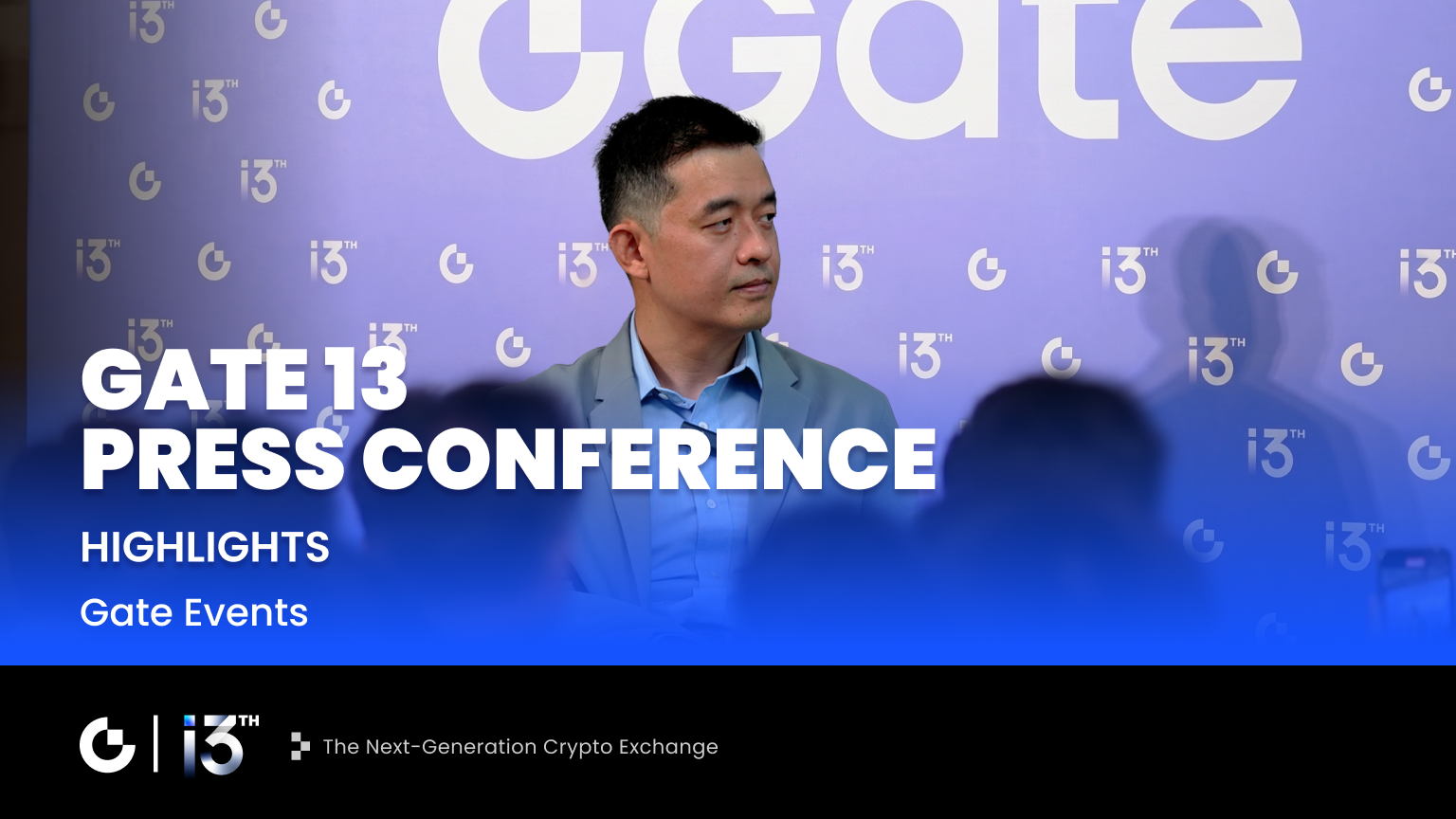
At the "Web3 Dialogues @ HKU - Academia x Industry" event hosted at the University of Hong Kong, Gate Founder and CEO Dr. Han emphasized that the core nature of the crypto industry is not fair competition—instead, it revolves around the ever-intensifying "Matthew Effect" driven by first-mover advantage.
2026-04-21 14:13:51
Highlights from Gate Founder & CEO Dr. Han's media interview at Rosewood Hong Kong.During the session, Dr. Han shared his outlook on the industry and Gate's long-term direction.Key highlights:Crypto is entering a more mature phase, driven by RWA, AI × crypto integration, and CeFi–DeFi convergence; AI is evolving from an efficiency tool into a core trading capability across decision-making, risk management, and asset allocation; Multi-asset trading is rising, with growing demand for access across crypto and traditional markets like equities, gold, and forex; Prediction markets are emerging as a form of information pricing, turning collective expectations into market signals. Gate continues to strengthen its infrastructure and expand its asset offerings, building toward a more complete crypto ecosystem.
2026-04-21 12:34:52
Gate will hold the "Institutional Circle: Al Reshaping Crypto Liquidity & Market Access" institutional exchange event in Hong Kong, aimed at institutional participants, focusing on discussions related to "AI Reshaping Crypto Liquidity and Market Structure."
2026-04-21 12:04:17
PANews reported on April 21 that Dr. Han, founder and CEO of Gate, delivered a speech at the main stage of the Hong Kong Web3 Carnival, focusing on the theme "Move Everything On-Chain" and sharing his insights on future industry trends.
2026-04-21 11:50:12
According to official data, the Gate Pre-IPOs project SpaceX (SPCX) has been open for 24 hours, with subscription enthusiasm continuing to rise, and the total subscription amount has exceeded \$353 million.
2026-04-21 11:40:11
Odaily Planet Daily reported that on Apr. 21, at the Hong Kong Web3 Carnival, Gate Founder and CEO Dr. Han delivered a keynote speech titled “Move Everything On-Chain” on the main stage. In his address, he systematically reviewed the platform’s 13-year development journey and offered his perspective on the next evolutionary side for the industry.
2026-04-21 11:20:13
Bittensor, Fetch.ai, and SingularityNET share a common goal: using token incentives to drive the supply of AI resources, whether models, compute, or services, while building open networks that lower barriers to AI access and challenge the dominance of centralized platforms. However, their core differences lie in the technical layers they operate on and how they capture value. Rather than competing within a single track, they address three distinct stages of decentralized AI, model production, task execution, and service distribution.
2026-04-21 11:08:46
Cheems (CHEEMS) is a deflationary meme crypto asset developed on Solana, primarily used for community incentives and the spread of meme culture. Through large-scale airdrops and token burn mechanisms, it establishes a community-driven economic model.
2026-04-21 10:38:16
Cheems (CHEEMS) is a crypto project built on meme culture and community-driven principles. It promotes the development of a decentralized community through viral content, token incentives, and ecosystem expansion, gradually evolving into a meme-based crypto ecosystem with cultural depth.
2026-04-21 10:34:03
Cheems (CHEEMS) is a crypto asset shaped by meme culture and powered by its community. It aims to grow through internet culture, collective participation, and ecosystem expansion. As meme coins and community-driven culture gain influence in crypto space, Cheems has found applications in community incentives, brand promotion, and cultural ecosystem building.
2026-04-21 10:27:01
At their core, the difference lies in how assets are represented: Ordinals bind both data and ownership directly to Bitcoin UTXOs, while traditional NFTs rely on smart contracts to maintain mappings between tokens and owners.
2026-04-21 09:58:10
The ORDI economic model is built on a fixed supply and inscription-based issuance rules. Its value is primarily shaped by supply and demand, along with market trading behavior.
2026-04-21 09:52:59
SFP serves as the primary utility token within the SafePal ecosystem, integrating reward incentives, Gas conversion, Return optimization, and governance participation. This comprehensive analysis explores SFP's issuance allocation, growth strategy, marketplace potential, and investment risks, reflecting the latest updates for 2025–2026.
2026-04-21 09:51:04