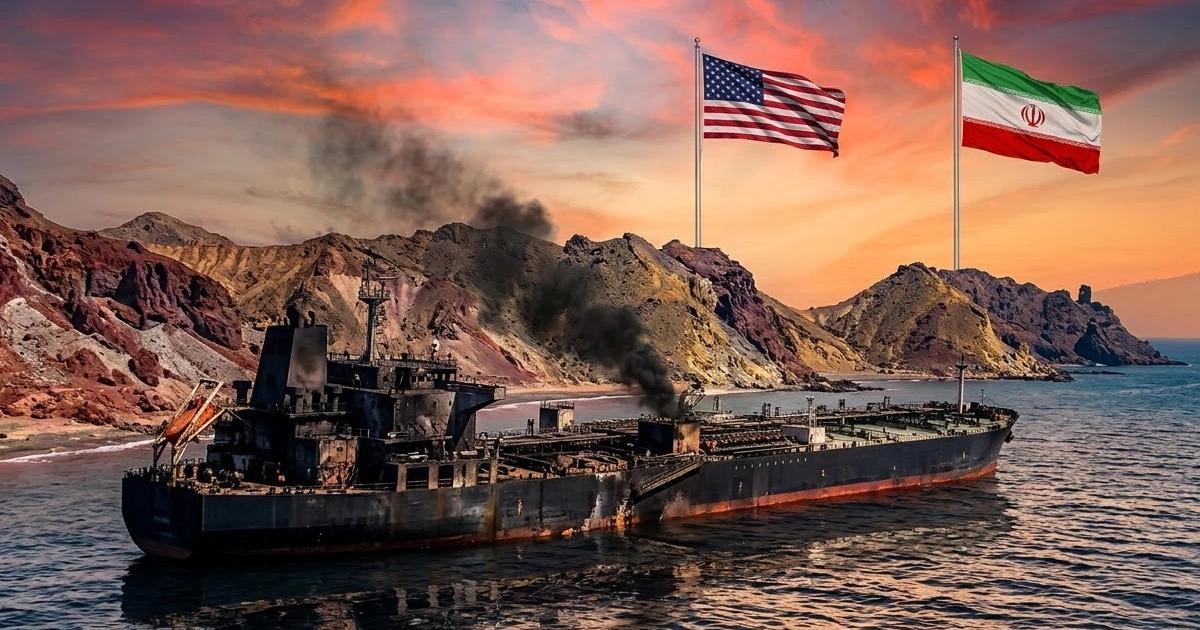
Middle East conflict impacts the Strait of Hormuz, gold drops for seven consecutive days, Bitcoin falls back to $69,000. EU and Japan issue statements defending shipping lanes; Qatar’s natural gas facilities are attacked, experts warn of long-term global inflation.
Hormuz Strait crisis persists, gold and silver plummet
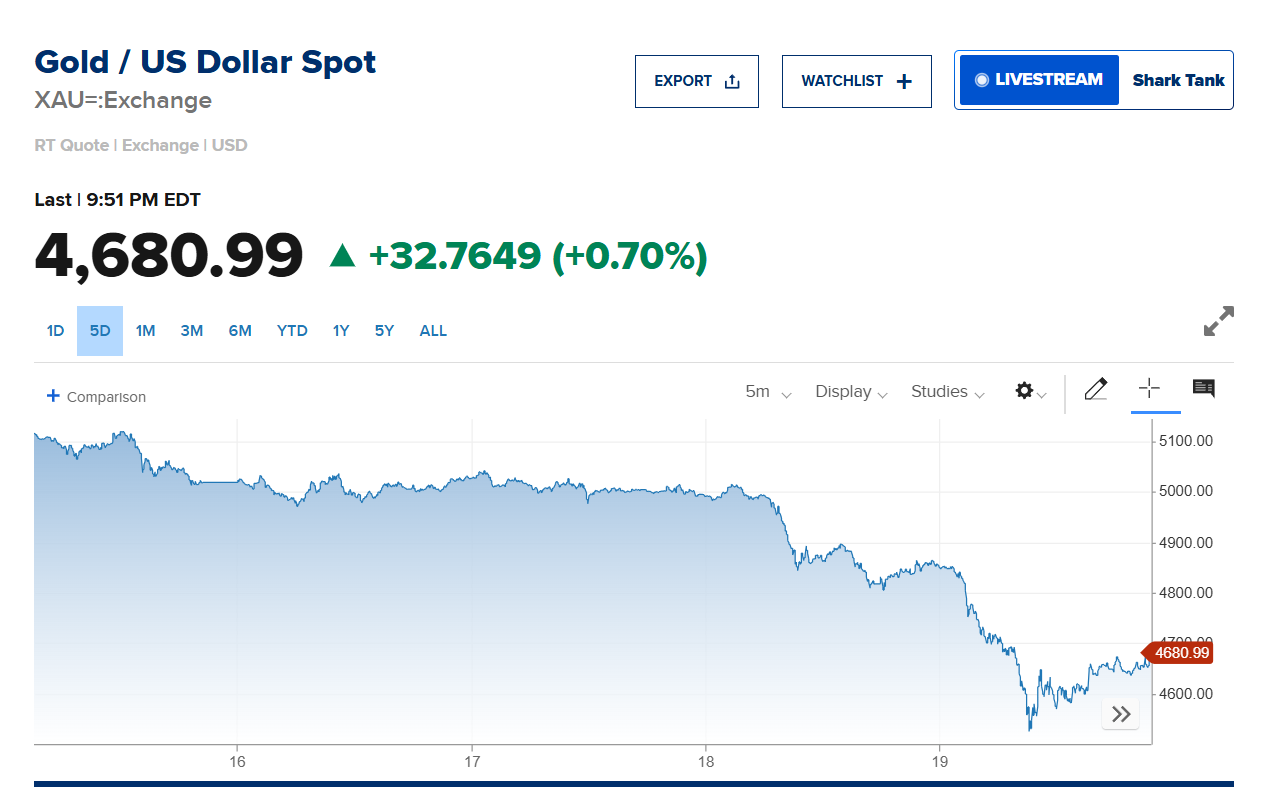
As the Middle East conflict impacts the Strait of Hormuz and international crude oil prices soar, and the Federal Reserve pauses rate cuts, gold has declined for seven straight days, reaching its lowest point since early February along with silver.
Gold temporarily plummeted by 6% during trading, and silver fell more than 13%. BBC data also shows that since the US and Israel launched operations against Iran, daily vessel traffic through the Strait of Hormuz has decreased by 95%.
Blocked key shipping routes have fueled market panic, forcing investors to sell precious metals for cash and shift to assets expected to benefit from rising energy prices.
However, according to CNBC, spot gold prices briefly fell below $4,600 before rebounding, currently at $4,680.99, up 0.70% intraday.
Bitcoin shows resilience, but traders urge caution
Tensions in the Middle East and attacks on energy infrastructure have shaken global markets. According to CoinDesk, Bitcoin ($BTC) recently surged past $75,000 but quickly dropped back to $69,000 within the last 24 hours. Compared to many traditional assets (stocks, gold), its performance remains relatively better.
Bryan Tan, a trader at crypto market maker Wintermute, said that since the Iran conflict, Bitcoin has outperformed gold, but the lack of follow-through above $75,000 indicates investors should remain cautious when buying on dips.
He recommends maintaining liquidity during volatile news periods to avoid reckless trading.
European Five Countries and Japan issue joint statement defending the Strait of Hormuz
In response to the ongoing blockade of the Strait of Hormuz, five European countries and Japan have issued a joint statement.
According to Al Jazeera, the UK, France, Germany, Italy, the Netherlands, and Japan have pledged to take appropriate actions to ensure the safe passage of ships through the Strait of Hormuz, aiming to ease the impact of soaring energy prices.
Meanwhile, Qatar Energy confirmed that the world’s largest liquefied natural gas (LNG) facility, located in Ras Laffan Industrial City, was attacked by missiles. The facility accounts for 20% of global supply, and repairs are expected to take three to five years, further tightening an already strained energy market.
Disruption of oil and natural gas production warns of rising prices
Regarding the current energy crisis, James Meadway, co-director of the Verdant Economic Policy Think Tank, told Al Jazeera that the recent rise in oil and gas prices is unlikely to be a short-term fluctuation.
He emphasized that, beyond the blockade of the Strait of Hormuz, the world is also facing severe damage to oil and natural gas production infrastructure.
Meadway further pointed out that, given the current situation, this will likely lead to long-term increases in energy prices. As European natural gas prices surge, global concerns over supply chain disruptions and escalating inflation continue to deepen.
Further reading:
Emergency hedging with cryptocurrencies? Iran exchanges see 700% surge in outflows within minutes of US and Israel airstrikes
Disclaimer: The information on this page may come from third parties and does not represent the views or opinions of Gate. The content displayed on this page is for reference only and does not constitute any financial, investment, or legal advice. Gate does not guarantee the accuracy or completeness of the information and shall not be liable for any losses arising from the use of this information. Virtual asset investments carry high risks and are subject to significant price volatility. You may lose all of your invested principal. Please fully understand the relevant risks and make prudent decisions based on your own financial situation and risk tolerance. For details, please refer to
Disclaimer.


