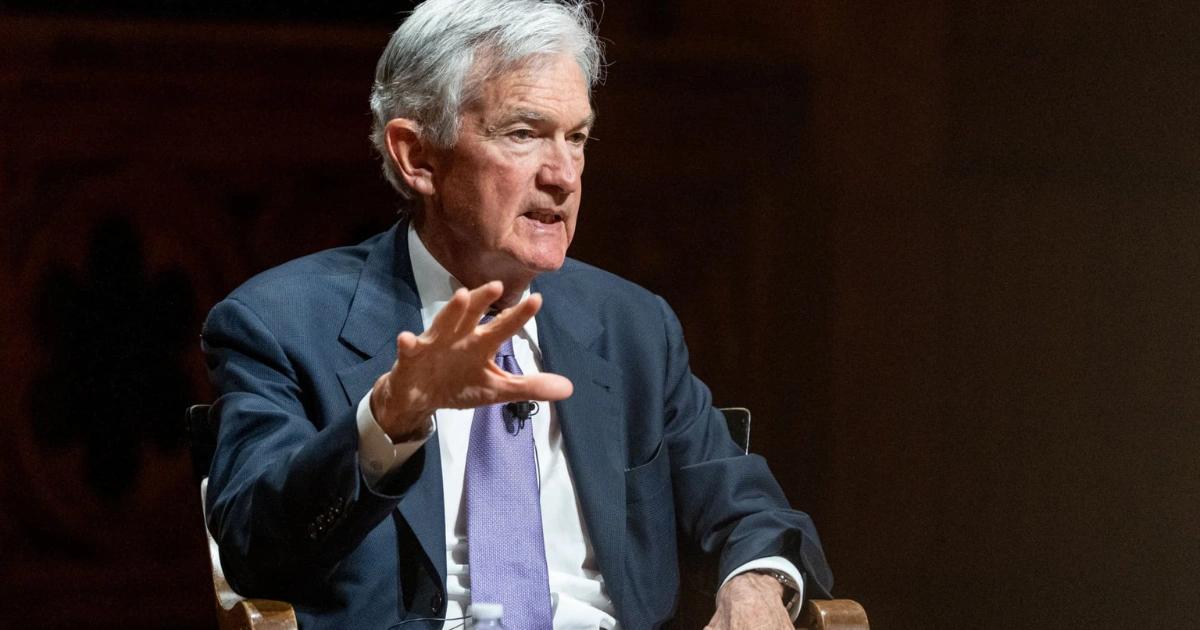
Paul reaffirms that the Federal Reserve will maintain a wait-and-see stance in his Harvard speech. Facing the Iran conflict, oil prices rise and tariff pressure increases. He emphasized that inflation risk is manageable, and the 10-year yield has fallen.
To address energy supply shocks, the Federal Reserve reiterates a cautious wait-and-see stance
On March 30, Federal Reserve (Fed) Chair Jerome Powell was invited to Harvard University to give a speech in an economics class, offering in-depth views on current geopolitical turbulence and the economic outlook.
With the Iran war now in its fifth week, global energy supply chains face severe strain, and the average U.S. domestic gasoline price has risen to 4 per gallon on the baseline. Powell emphasized that the current economic environment is filled with a high level of uncertainty, and the Federal Reserve will continue to adopt a cautious monetary policy stance.
He noted that the impact of monetary policy on supply-side shocks is limited, and that policy effects have a long and variable lag. At this stage, the most appropriate approach is to observe how events unfold rather than rush to react.
Markets interpreted this as the Fed maintaining interest rates unchanged in the near term, with earlier expectations of rate hikes to combat inflation having cooled significantly. Following the speech, U.S. 10-year Treasury yields fell by 10.2 basis points to 4.338%. Most U.S. stock indexes, except the Dow, edged lower slightly, suggesting investors are mildly pessimistic about this cautious but not panicked tone.
- U.S. Dow Jones Index: up 49.50 points, +0.11%, close 45,216.14 points.
- Nasdaq Index: down 153.72 points, -0.73%, close 20,794.64 points.
- S&P 500 Index: down 25.13 points, -0.38%, close 6,343.72 points.
- Philadelphia Semiconductor Index: down 315.33 points, -4.23%, close 7,142.33 points.
- NYSE FANG + Index: down 196.85 points, -1.47%, close 13,235.31 points.
Tariffs and inflation hit at the same time, leaving monetary policy in a dilemma
On the inflation front, the Fed reiterated its commitment to stick to the 2% inflation target. Inflation is currently mainly driven by multiple supply-side shocks, including supply-demand imbalances after the COVID-19 pandemic and the tariff policies recently implemented by the government.
Powell analyzed that price increases caused by tariffs are a one-time effect and are expected to add about 0.5 to 1 percentage point to the annual inflation rate.
Although recent surveys show that consumers’ short-term inflation expectations have risen, the Fed’s focus on long-term inflation expectations remains stable and anchored. The Fed is in a dilemma: downside risks from slowing labor-market growth require maintaining low interest rates, while upside inflation risks limit room for rate cuts.
Powell said the current policy stance is in the appropriate position. The Fed will continue monitoring the real impact of tariffs and energy prices on the overall economy using the “Beige Book” data from 12 regional Federal Reserve banks and a range of economic models.
AI-driven productivity renewal, maintaining an optimistic view of long-term economic resilience
Despite slow employment growth and geopolitical risks in the short term, Powell expressed strong optimism about the U.S. economy’s medium- to long-term outlook. Breakthroughs in artificial intelligence (AI) technology are a key force driving future productivity growth. By automating task processing, AI can significantly improve companies’ operating efficiency.
Even though the labor market is currently in a low hiring state, which leads to job challenges for college graduates, the U.S. economy has strong dynamism and the ability to renew itself. Compared with other developed economies, the U.S. has an advantage in the pace of productivity growth.
For the balance sheet and financial stability, the Fed’s asset size still exceeds $6 trillion. Powell believes that the bond purchase plans in the past effectively supported economic activity and that no clear negative inflation effects have been observed. Regarding risks in the private credit (Private Credit) market, the Fed is closely monitoring its linkages with the banking system. While there have been market corrections, there are still no signs of a systemic financial crisis.
Defending the Fed’s political neutrality, ensuring a stable transition of power and debt management
Powell’s term will officially end on May 15, 2026, and this speech became one of his final public appearances during his tenure. He strongly defended the Fed’s independence, emphasizing that the institution should maintain a “depoliticized” stance and focus on fulfilling Congress’s mandates for price stability and maximum employment. Regarding the nomination progress of his successor, Kevin Warsh, the case has been put on hold because of Senate investigations into plans to renovate the Fed headquarters. If the nomination process cannot be completed as scheduled, Powell may need to extend his time in office.
In response to questions about a policy pivot, Powell declined to comment on Warsh’s stance in support of rate cuts, and instead only reiterated that the Fed should perform its own duties and should not use monetary tools to achieve political goals.
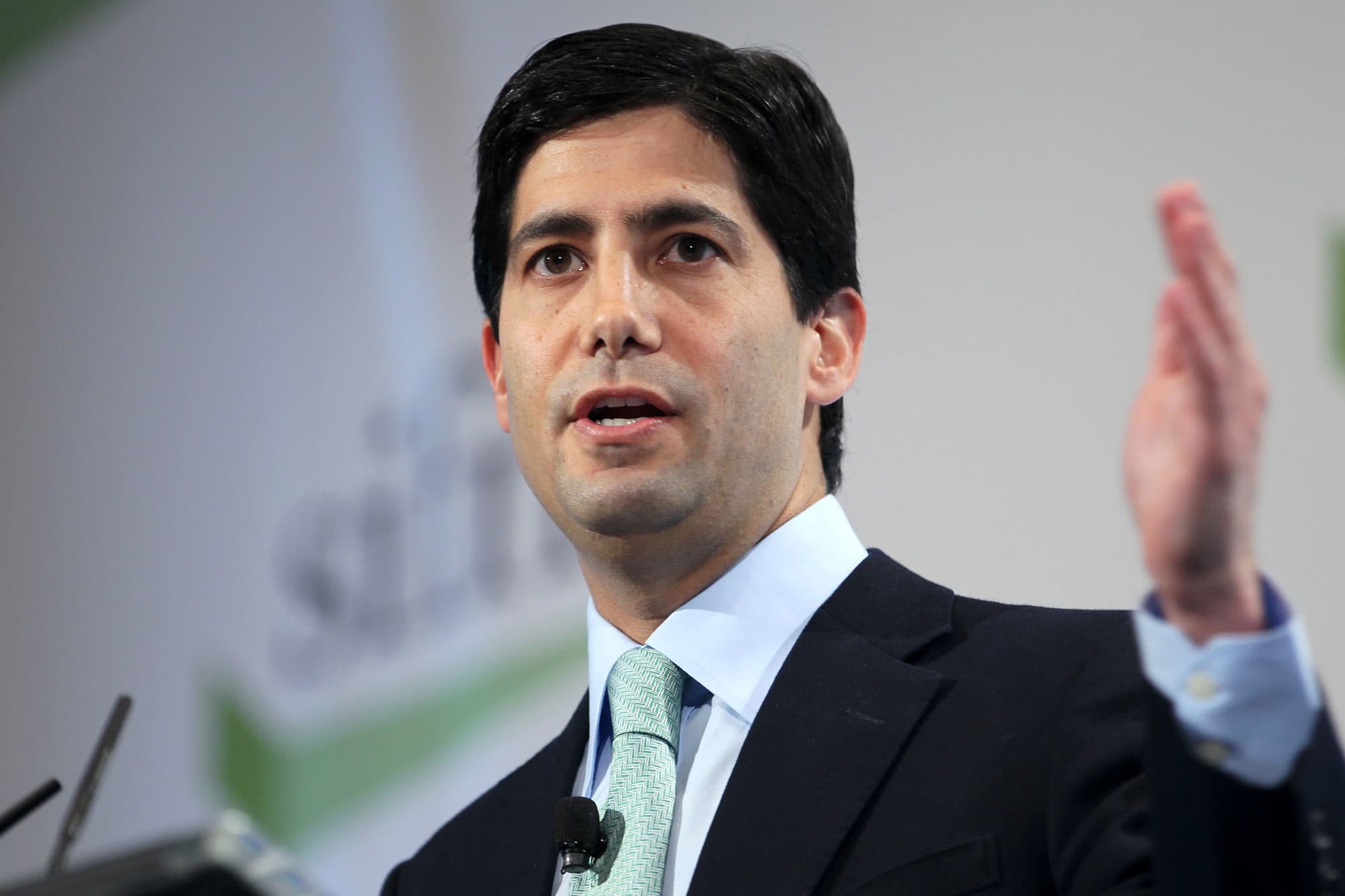
Source image: CNBC. Fed Chair’s successor, Kevin Warsh.
In addition, he expressed concern about the long-term U.S. debt path. The growth rate of federal debt has already outpaced economic growth. Although the country has not yet reached a point of collapse, the government must seek fiscal balance to ensure the long-term healthy development of the economic system.
Disclaimer: The information on this page may come from third parties and does not represent the views or opinions of Gate. The content displayed on this page is for reference only and does not constitute any financial, investment, or legal advice. Gate does not guarantee the accuracy or completeness of the information and shall not be liable for any losses arising from the use of this information. Virtual asset investments carry high risks and are subject to significant price volatility. You may lose all of your invested principal. Please fully understand the relevant risks and make prudent decisions based on your own financial situation and risk tolerance. For details, please refer to
Disclaimer.


