

Trade
Trading Type
Spot
Trade crypto freely
Pre-Market
Trade new tokens before they are officially listed
Margin
Magnify your profit with leverage
Convert & Block Trading
0 Fees
Trade any size with no fees and no slippage
Alpha
Points
Get promising tokens in streamlined on-chain trading
Leveraged Tokens
Get exposure to leveraged positions simply
Futures
Futures
Hundreds of contracts settled in USDT or BTC
Options
HOT
Trade European-style vanilla options
Unified Account
Maximize your capital efficiency
Demo Trading
Futures Kickoff
Get prepared for your futures trading
Futures Events
Participate in events to win generous rewards
Demo Trading
Use virtual funds to experience risk-free trading
Earn
Launch
CandyDrop
Collect candies to earn airdrops
Launchpool
Quick staking, earn potential new tokens
HODLer Airdrop
Hold GT and get massive airdrops for free
Launchpad
Be early to the next big token project
Alpha Points
NEW
Trade on-chain assets and enjoy airdrop rewards!
Futures Points
NEW
Earn futures points and claim airdrop rewards
Investment
Simple Earn
Earn interests with idle tokens
Auto-Invest
Auto-invest on a regular basis
Dual Investment
Buy low and sell high to take profits from price fluctuations
Soft Staking
Earn rewards with flexible staking
Crypto Loan
0 Fees
Pledge one crypto to borrow another
Lending Center
One-stop lending hub
VIP Wealth Hub
Customized wealth management empowers your assets growth
Private Wealth Management
Customized asset management to grow your digital assets
Quant Fund
Top asset management team helps you profit without hassle
Staking
Stake cryptos to earn in PoS products
BTC Staking
HOT
Stake BTC and earn 10% APR
GUSD Minting
Use USDT/USDC to mint GUSD for treasury-level yields


More
Promotions
Activity Center
Join activities and win big cash prizes and exclusive merch
Referral
20 USDT
Earn 40% commission or up to 500 USDT rewards
Announcements
Announcements of new listings, activities, upgrades, etc
Gate Blog
Crypto industry articles
VIP Services
Huge fee discounts
Proof of Reserves
Gate promises 100% proof of reserves

Trending Topics
View More143.37K Popularity
13.59K Popularity
89.45K Popularity
1.59K Popularity
2.12K Popularity




Pin
#比特币与黄金战争 $BTC $ETH $ZEC
Opportunities from a Traditional Finance Perspective: The New Battle Between Gold and Digital Assets
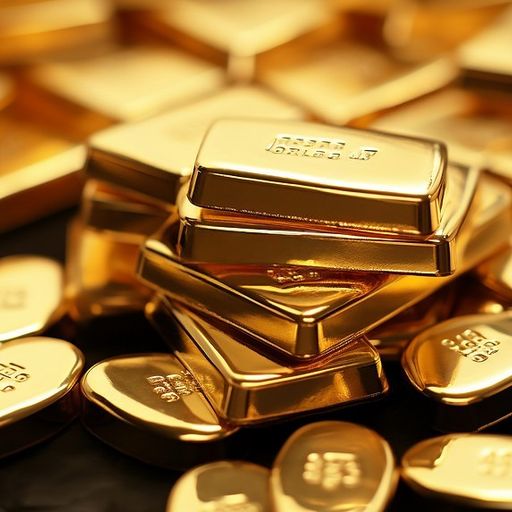
The financial world has recently been buzzing— a major investment bank has made a bold prediction: by Q4 2026, gold prices will surge to $4,900 per ounce. This is not just a numbers game; it reflects a profound shift in the global asset allocation landscape.
Let's look at some phenomena:
**Central banks' "buy-up" pace is accelerating**, with monthly gold purchases exceeding 70 tons, a trend that has never stopped in recent years. Geopolitical tensions remain high, fiat currency depreciation pressures persist, and traditional safe-haven assets are regaining favor. Meanwhile, the internationalization process is advancing, and the redefinition of multi-currency systems is quietly underway.
**The real variable lies with retail investors**. Currently, gold ETF holdings are relatively conservative, and private investors have yet to fully jump in. Once hot money flows in, every 1 basis point increase in ETF allocation could trigger a 1.4% rise in gold prices—there is indeed room for growth.
But don’t get carried away with absolute optimism. Investment banks also warn of a potential correction in Q1, with gold possibly dropping to $4,200. This could be a trap or a window of opportunity—depending on your macroeconomic outlook.
Bitcoin and gold have never been mutually exclusive. They reflect the same underlying anxiety: the re-pricing of the existing financial order. Some choose tradition, others opt for innovation—smart investors? They play on both sides.