

Trade
Trading Type
Spot
Trade crypto freely
Pre-Market
Trade new tokens before they are officially listed
Margin
Magnify your profit with leverage
Convert & Block Trading
0 Fees
Trade any size with no fees and no slippage
Alpha
Points
Get promising tokens in streamlined on-chain trading
Leveraged Tokens
Get exposure to leveraged positions simply
Futures
Futures
Hundreds of contracts settled in USDT or BTC
Options
HOT
Trade European-style vanilla options
Unified Account
Maximize your capital efficiency
Demo Trading
Futures Kickoff
Get prepared for your futures trading
Futures Events
Participate in events to win generous rewards
Demo Trading
Use virtual funds to experience risk-free trading
Earn
Launch
CandyDrop
Collect candies to earn airdrops
Launchpool
Quick staking, earn potential new tokens
HODLer Airdrop
Hold GT and get massive airdrops for free
Launchpad
Be early to the next big token project
Alpha Points
NEW
Trade on-chain assets and enjoy airdrop rewards!
Futures Points
NEW
Earn futures points and claim airdrop rewards
Investment
Simple Earn
Earn interests with idle tokens
Auto-Invest
Auto-invest on a regular basis
Dual Investment
Buy low and sell high to take profits from price fluctuations
Soft Staking
Earn rewards with flexible staking
Crypto Loan
0 Fees
Pledge one crypto to borrow another
Lending Center
One-stop lending hub
VIP Wealth Hub
Customized wealth management empowers your assets growth
Private Wealth Management
Customized asset management to grow your digital assets
Quant Fund
Top asset management team helps you profit without hassle
Staking
Stake cryptos to earn in PoS products
BTC Staking
HOT
Stake BTC and earn 10% APR
GUSD Minting
Use USDT/USDC to mint GUSD for treasury-level yields


More
Promotions
Activity Center
Join activities and win big cash prizes and exclusive merch
Referral
20 USDT
Earn 40% commission or up to 500 USDT rewards
Announcements
Announcements of new listings, activities, upgrades, etc
Gate Blog
Crypto industry articles
VIP Services
Huge fee discounts
Proof of Reserves
Gate promises 100% proof of reserves

Trending Topics
View More143.43K Popularity
13.35K Popularity
89.74K Popularity
1.59K Popularity
2.12K Popularity



Pin
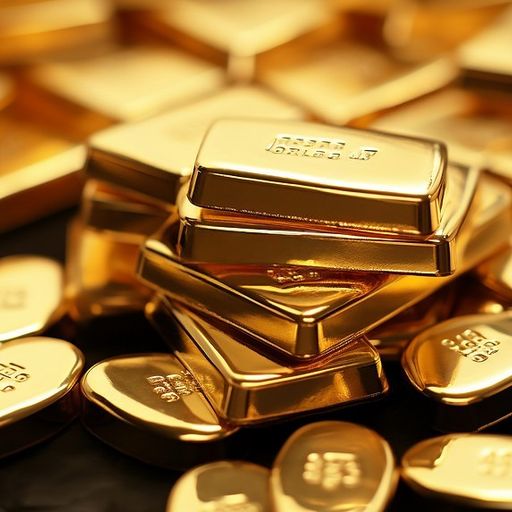
Precious metals are called "precious" for a very simple reason—they are indeed expensive. And this "expensive" word fundamentally contains an entire trading philosophy.
Not falling or staying still, only entering when there's a big drop—this is not an extraordinary act, but a response to human nature. Conversely, not buying when prices are stable, only buying during a sharp rise—this seems like common sense, but is often ignored by most people. How simple is it? Just like how a meal tastes best when you're extremely hungry—that's the same principle.
Truly skilled traders never boast about how smart they are. The methods they use are often the simplest. Even experienced veterans rely on the most basic rules. Sometimes, when the market is unpredictable, it's not because they understand too little, but precisely because they've learned too much and overcomplicate their thinking.
The market always teaches you the same lesson: be cautious when prices are high, and when everyone is mourning losses, it might actually be an opportunity. The recent situation is very typical. Major media outlets have been bombarding the same news over the weekend—new highs in precious metals, breaking through certain price levels, future prospects... As a result, retail investors follow the trend en masse, even selling houses and cars to jump in. This scene repeats itself, and historical patterns repeatedly confirm the same conclusion: when the entire internet media is optimistic, it often signals a correction.
In the next few days, precious metals are likely to fluctuate downward before gradually rebounding. Why will they rebound? The same logic applies—the global central banks are continuously accumulating precious metals, which is determined by their status as hard currencies. Central banks around the world are selling US bonds, and funds need an outlet, and precious metals are recognized as the king of safe havens. This trend will not change in the big picture, only requiring time to unfold.