

Trade
Trading Type
Spot
Trade crypto freely
Pre-Market
Trade new tokens before they are officially listed
Margin
Magnify your profit with leverage
Convert & Block Trading
0 Fees
Trade any size with no fees and no slippage
Alpha
Points
Get promising tokens in streamlined on-chain trading
Leveraged Tokens
Get exposure to leveraged positions simply
Futures
Futures
Hundreds of contracts settled in USDT or BTC
Options
HOT
Trade European-style vanilla options
Unified Account
Maximize your capital efficiency
Demo Trading
Futures Kickoff
Get prepared for your futures trading
Futures Events
Participate in events to win generous rewards
Demo Trading
Use virtual funds to experience risk-free trading
Earn
Launch
CandyDrop
Collect candies to earn airdrops
Launchpool
Quick staking, earn potential new tokens
HODLer Airdrop
Hold GT and get massive airdrops for free
Launchpad
Be early to the next big token project
Alpha Points
NEW
Trade on-chain assets and enjoy airdrop rewards!
Futures Points
NEW
Earn futures points and claim airdrop rewards
Investment
Simple Earn
Earn interests with idle tokens
Auto-Invest
Auto-invest on a regular basis
Dual Investment
Buy low and sell high to take profits from price fluctuations
Soft Staking
Earn rewards with flexible staking
Crypto Loan
0 Fees
Pledge one crypto to borrow another
Lending Center
One-stop lending hub
VIP Wealth Hub
Customized wealth management empowers your assets growth
Private Wealth Management
Customized asset management to grow your digital assets
Quant Fund
Top asset management team helps you profit without hassle
Staking
Stake cryptos to earn in PoS products
BTC Staking
HOT
Stake BTC and earn 10% APR
GUSD Minting
Use USDT/USDC to mint GUSD for treasury-level yields


More
Promotions
Activity Center
Join activities and win big cash prizes and exclusive merch
Referral
20 USDT
Earn 40% commission or up to 500 USDT rewards
Announcements
Announcements of new listings, activities, upgrades, etc
Gate Blog
Crypto industry articles
VIP Services
Huge fee discounts
Proof of Reserves
Gate promises 100% proof of reserves

Trending Topics
View More144.33K Popularity
13.79K Popularity
89.74K Popularity
1.59K Popularity
2.12K Popularity




Pin
#数字资产市场动态 $BTC
The valuation of Bitcoin relative to precious metals is rapidly being reassessed. Recent data changes have indeed sounded alarms for many holders.
📉 Two core indicators have experienced significant fluctuations:
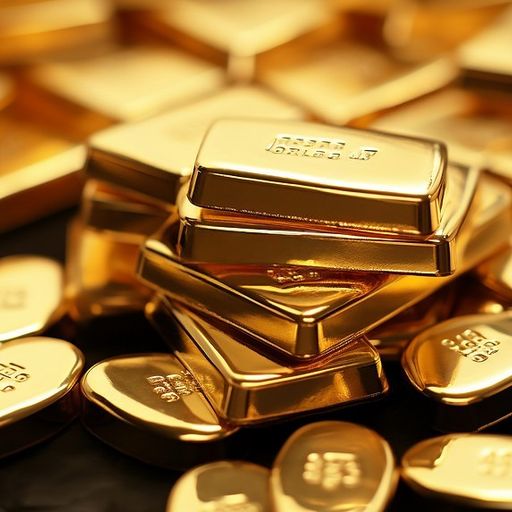
· Currently, 1 Bitcoin can be exchanged for about 19 ounces of gold, down from nearly 38 ounces at the beginning of the year, a direct halving.
· The exchange ratio with silver has fallen even more dramatically, losing two-thirds of its purchasing power since the high point in May.
In other words, if you regard Bitcoin as "digital gold," the current reality might be that it has temporarily become "digital silver."
Compared to the most difficult bear market in 2022 (when 1 Bitcoin could only buy 9 ounces of gold), the current price level is still higher, but the decline is indeed a bit alarming. This actually reflects two opposing forces:
✨ Traditional precious metals are gaining strength: global uncertainties persist, and gold’s safe-haven attributes are shining again, while silver’s industrial demand is also being reevaluated. They are like seasoned investment assets—low-key, steady, and tested through cycles.
⚡ The crypto market is entering a consolidation phase: after falling from its high point, Bitcoin is fluctuating within a range, and capital flows may be undergoing subtle changes. The enthusiasm for emerging assets is cooling, and it will take time to rebuild strength.
The market essentially is constantly seeking a balance point. The rises and falls of these ratios are not the final judgment of victory or defeat for any asset but rather a dynamic adjustment of value. It reminds everyone that no asset can stay in the top spot forever; perhaps the most prudent approach is to understand the roles each asset plays in different market cycles.
Current investor behavior clearly illustrates this—reassessing the value weights between the "long-standing safe haven" and the "digital new asset." This quiet market game may just be beginning to unfold its full picture.