

Trade
Basic
Futures
Futures
Hundreds of contracts settled in USDT or BTC
TradFi
Gold
Trade global traditional assets with USDT in one place
Options
Hot
Trade European-style vanilla options
Unified Account
Maximize your capital efficiency
Demo Trading
Futures Kickoff
Get prepared for your futures trading
Futures Events
Participate in events to win generous rewards
Demo Trading
Use virtual funds to experience risk-free trading
Earn
Launch
CandyDrop
Collect candies to earn airdrops
Launchpool
Quick staking, earn potential new tokens
HODLer Airdrop
Hold GT and get massive airdrops for free
Launchpad
Be early to the next big token project
Alpha Points
New
Trade on-chain assets and enjoy airdrop rewards!
Futures Points
New
Earn futures points and claim airdrop rewards
Investment
Simple Earn
Earn interests with idle tokens
Auto-Invest
Auto-invest on a regular basis
Dual Investment
Buy low and sell high to take profits from price fluctuations
Soft Staking
Earn rewards with flexible staking
Crypto Loan
0 Fees
Pledge one crypto to borrow another
Lending Center
One-stop lending hub
VIP Wealth Hub
Customized wealth management empowers your assets growth
Private Wealth Management
Customized asset management to grow your digital assets
Quant Fund
Top asset management team helps you profit without hassle
Staking
Stake cryptos to earn in PoS products
Smart Leverage
New
No forced liquidation before maturity, worry-free leveraged gains
GUSD Minting
Use USDT/USDC to mint GUSD for treasury-level yields

More


Circle's USDC circulation decreased by 3.4 billion tokens within a week
34m ago
Gate Research Institute: The market remains in defensive consolidation, with capital rotation shifting towards high-elasticity small-cap sectors
1h ago
Trending Topics
View More30.96K Popularity
42.16K Popularity
359.98K Popularity
36.84K Popularity
58.11K Popularity
Hot Gate Fun
View More- MC:$0.1Holders:10.00%
- MC:$3.23KHolders:10.00%
- MC:$3.23KHolders:10.00%
- MC:$3.23KHolders:10.00%
- MC:$3.22KHolders:10.00%



Pin
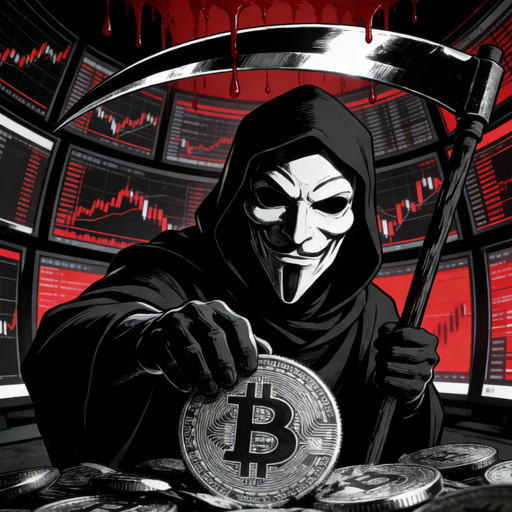
Silver experienced an "epic" decline today, with Peter Brandt emphasizing that hedge demand from silver miners could lead to supply and demand imbalance.
BlockBeats News, January 30 — The renowned trader and chart analyst Peter Brandt, who successfully predicted the 2018 Bitcoin crash, yesterday hinted at risks in silver. Today, silver saw a historic decline, dropping 14.16% in a single day, just below the largest historical drop (which occurred after the Hunt brothers’ manipulation crash, ‘Silver Thursday’ on March 27, 1980, when prices plummeted over 50%-63%). This morning, Peter Brandt once again warned of the speculative risks of silver price surges, noting that this week’s Comex trading volume reached 4.3 billion ounces, equivalent to 5.2 years of global silver production, possibly reflecting hedging by miners rather than pure demand. Brandt emphasized that mining companies lock in high prices for profits, leading to potential oversupply.