

Trade
Basic
Futures
Futures
Hundreds of contracts settled in USDT or BTC
TradFi
Gold
Trade global traditional assets with USDT in one place
Options
Hot
Trade European-style vanilla options
Unified Account
Maximize your capital efficiency
Demo Trading
Futures Kickoff
Get prepared for your futures trading
Futures Events
Participate in events to win generous rewards
Demo Trading
Use virtual funds to experience risk-free trading
Earn
Launch
CandyDrop
Collect candies to earn airdrops
Launchpool
Quick staking, earn potential new tokens
HODLer Airdrop
Hold GT and get massive airdrops for free
Launchpad
Be early to the next big token project
Alpha Points
New
Trade on-chain assets and enjoy airdrop rewards!
Futures Points
New
Earn futures points and claim airdrop rewards
Investment
Simple Earn
Earn interests with idle tokens
Auto-Invest
Auto-invest on a regular basis
Dual Investment
Buy low and sell high to take profits from price fluctuations
Soft Staking
Earn rewards with flexible staking
Crypto Loan
0 Fees
Pledge one crypto to borrow another
Lending Center
One-stop lending hub
VIP Wealth Hub
Customized wealth management empowers your assets growth
Private Wealth Management
Customized asset management to grow your digital assets
Quant Fund
Top asset management team helps you profit without hassle
Staking
Stake cryptos to earn in PoS products
Smart Leverage
New
No forced liquidation before maturity, worry-free leveraged gains
GUSD Minting
Use USDT/USDC to mint GUSD for treasury-level yields

More


Trending Topics
View More6.49K Popularity
49.69K Popularity
362.1K Popularity
38.08K Popularity
60.5K Popularity




Pin
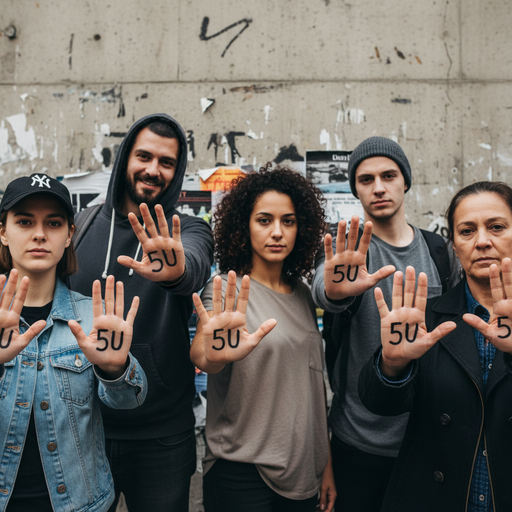
Sharp criticism of the White House for manipulated protest image
Recently, the White House has come under sharp public criticism after the release of a supposedly edited photo of activist Nakeema Levy Armstrong’s arrest. The incident occurred during a demonstration organized in protest against the activities of the Immigration and Customs Enforcement. The wave of criticism arose after it became known that the image might have been manipulated to alter its content.
The Armstrong case and federal charges
According to information from NS3.AI, Nakeema Levy Armstrong, associated with organizing protests at religious organizations in Minnesota, is currently appearing before a federal court. He faces charges under 18 USC 241, which pertains to conspiracy to violate citizens’ constitutional rights. This legal development adds fuel to the debate over where the right to protest ends and criminal offenses begin.
The administration’s position amid growing criticism
Despite widespread criticism of its actions, White House officials remain firm in their stance. Official representatives emphasize that in the digital age, such visual materials and humorous internet memes are inevitable and will remain part of public discourse. This firm position by the administration has drawn additional criticism from those who see it as tolerating manipulated information.
AI content: necessity and risk
The growing criticism of the situation reflects broader societal concerns about artificially created and edited media content. Against the backdrop of advancing artificial intelligence technologies, the issue of regulating AI-generated political materials is becoming increasingly relevant. Experts and public figures are actively discussing how to strike a balance between protecting against disinformation and preserving freedom of expression in the digital era.