

Trade
Basic
Futures
Futures
Hundreds of contracts settled in USDT or BTC
TradFi
Gold
Trade global traditional assets with USDT in one place
Options
Hot
Trade European-style vanilla options
Unified Account
Maximize your capital efficiency
Demo Trading
Futures Kickoff
Get prepared for your futures trading
Futures Events
Participate in events to win generous rewards
Demo Trading
Use virtual funds to experience risk-free trading
Earn
Launch
CandyDrop
Collect candies to earn airdrops
Launchpool
Quick staking, earn potential new tokens
HODLer Airdrop
Hold GT and get massive airdrops for free
Launchpad
Be early to the next big token project
Alpha Points
Trade on-chain assets and enjoy airdrop rewards!
Futures Points
Earn futures points and claim airdrop rewards
Investment
Simple Earn
Earn interests with idle tokens
Auto-Invest
Auto-invest on a regular basis
Dual Investment
Buy low and sell high to take profits from price fluctuations
Soft Staking
Earn rewards with flexible staking
Crypto Loan
0 Fees
Pledge one crypto to borrow another
Lending Center
One-stop lending hub
VIP Wealth Hub
Customized wealth management empowers your assets growth
Private Wealth Management
Customized asset management to grow your digital assets
Quant Fund
Top asset management team helps you profit without hassle
Staking
Stake cryptos to earn in PoS products
Smart Leverage
New
No forced liquidation before maturity, worry-free leveraged gains
GUSD Minting
Use USDT/USDC to mint GUSD for treasury-level yields

More


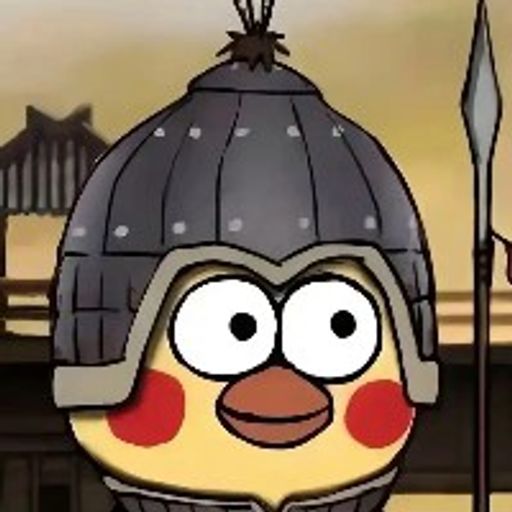
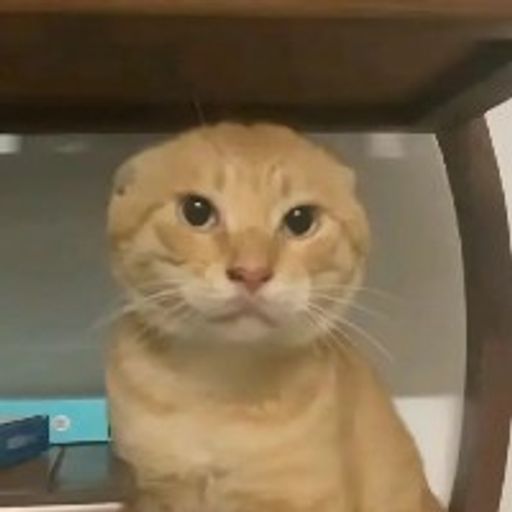
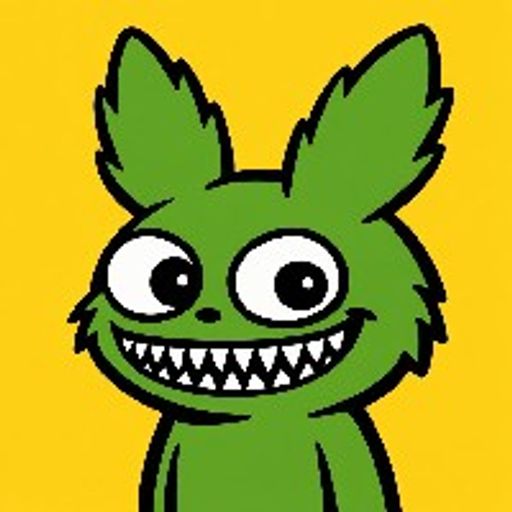
Kekw: from an error in World of Warcraft to an icon of meme culture
The story of Kekw is that of a digital accident that became a global phenomenon. It originated in the depths of World of Warcraft, spread through 4chan and other dark corners of the Internet, and ended up being a symbol that defines generations of online users. Understanding Kekw is understanding how the Internet transforms the trivial into legendary.
When a glitch becomes a legend: the origin of Kekw in WoW
It all begins with a simple translation error. In World of Warcraft, the Horde faction and the Alliance faction played the same game but experienced different messages. When Horde players typed “lol” (laughing out loud) to express laughter, Alliance players saw the word “kek” appear on their screens due to a system glitch. What should have been fixed in minutes became an internal joke so powerful that it transcended the game.
Users enthusiastically adopted the term. “Kek” became synonymous with laughter within the gaming community, and eventually, a way of writing the laughter that characterized certain Internet circles. Kekw, its modern variant, maintains this essence: carefree laughter, unfiltered, typical of online spaces where anonymity allows everything.
Memes, politics, and Pepe: Kekw radicalizes in 2016
By the mid-2010s, Kekw merged with another memetic phenomenon: the frog Pepe. During the 2016 U.S. presidential elections, certain online circles adopted Pepe (originally an innocent comic character) as a mascot. Kekw became the laughter accompanying these memes, expanding its meaning into something more complex and, for many, more controversial.
The link between Kekw and Pepe was no coincidence. Both represented nihilistic humor, irreverence, and chaos that characterized troll movements on the web. Memes spread rapidly, mutated constantly, and Kekw served as the perfect punchline: very short, easy to repeat, impossible to ignore.
Kekistan: when Kekw became a fictional nation
Over time, trolls imagined “Kekistan,” a virtual nation of anonymous citizens governed by chaos and laughter. This meme movement took Kekw out of the purely playful realm and elevated it to an emblem of online identity. Kekistan depicted a country where rules did not exist, where freedom of expression (and provocation) was absolute.
The growing controversy did not stop Kekw’s expansion. On the contrary, it made it a central part of debates about the limits of online humor, responsibility on social media, and the role of anonymous communities in digital politics.
Kekw today: from the peak of controversy to nostalgic remembrance
Today, Kekw persists as relics of a particular Internet era. Its direct connection to specific political movements has faded, though not disappeared. It is now more commonly seen in streamers, gaming communities, and spaces where quick, sharp humor remains currency.
Kekw represents something important about how online culture evolves: how the absurd goes viral, how technical errors generate cultural phenomena, and how the Internet does not forget. Although political intensity has diminished, Kekw remains as evidence of an era when unrestrained laughter and digital provocation set the pace for entire communities. Every mention of Kekw is, in a sense, a nostalgic journey to the years when the Internet was wilder, less regulated, and deeply unpredictable.