

Trade
Basic
Futures
Futures
Hundreds of contracts settled in USDT or BTC
TradFi
Gold
Trade global traditional assets with USDT in one place
Options
Hot
Trade European-style vanilla options
Unified Account
Maximize your capital efficiency
Demo Trading
Futures Kickoff
Get prepared for your futures trading
Futures Events
Participate in events to win generous rewards
Demo Trading
Use virtual funds to experience risk-free trading
Earn
Launch
CandyDrop
Collect candies to earn airdrops
Launchpool
Quick staking, earn potential new tokens
HODLer Airdrop
Hold GT and get massive airdrops for free
Launchpad
Be early to the next big token project
Alpha Points
Trade on-chain assets and enjoy airdrop rewards!
Futures Points
Earn futures points and claim airdrop rewards
Investment
Simple Earn
Earn interests with idle tokens
Auto-Invest
Auto-invest on a regular basis
Dual Investment
Buy low and sell high to take profits from price fluctuations
Soft Staking
Earn rewards with flexible staking
Crypto Loan
0 Fees
Pledge one crypto to borrow another
Lending Center
One-stop lending hub
VIP Wealth Hub
Customized wealth management empowers your assets growth
Private Wealth Management
Customized asset management to grow your digital assets
Quant Fund
Top asset management team helps you profit without hassle
Staking
Stake cryptos to earn in PoS products
Smart Leverage
New
No forced liquidation before maturity, worry-free leveraged gains
GUSD Minting
Use USDT/USDC to mint GUSD for treasury-level yields

More


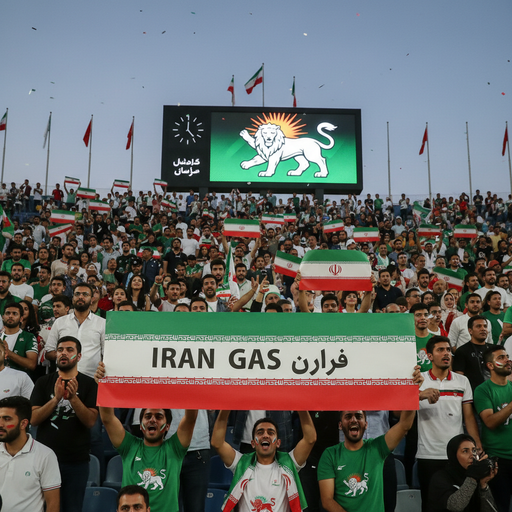



#USIranTensionsImpactMarkets 🌍Geopolitical tension has once again stepped into the financial spotlight, and this time the focus is on rising friction between the United States and Iran. Whenever these two nations appear in the same headline, global markets instinctively brace for volatility. The reason is simple: this relationship extends far beyond diplomacy it touches oil supply chains, military strategy, regional alliances, and global investor psychology. As tensions escalate, financial markets rarely remain neutral observers. Instead, they react swiftly, often pricing in risk before clarity even emerges. #USIranTensionsImpactMarkets is not merely a trending phrase; it captures the fragile connection between geopolitics and capital flows.
At the center of immediate concern lies the energy market. The Middle East remains a critical artery for global oil transportation, particularly through the Strait of Hormuz a chokepoint that facilitates a significant percentage of worldwide crude shipments. Any hint of instability in this region can trigger sharp spikes in oil prices. When crude rises abruptly, inflation expectations often follow. Higher energy costs ripple through transportation, manufacturing, and consumer goods, placing pressure on already sensitive global economies. Investors know this chain reaction well, which is why even rhetorical escalation between Washington and Tehran can move commodity markets within hours.
Equity markets typically respond with caution during such periods. Risk assets tend to experience short-term pullbacks as traders rotate capital into perceived safe havens. Historically, assets like gold and U.S. Treasury bonds attract inflows during geopolitical uncertainty. The logic is rooted in preservation rather than profit when unpredictability increases, stability becomes more valuable than growth. However, these reactions are not always linear. Sometimes markets overreact initially, only to stabilize once diplomatic channels show signs of engagement.
Currency markets also enter a sensitive phase. The U.S. dollar often strengthens in moments of global tension due to its reserve currency status. Emerging market currencies, on the other hand, may face depreciation pressure if energy costs rise or investor confidence weakens. This dynamic can create a layered impact: stronger dollar valuations tighten global liquidity, while rising oil prices strain energy-importing nations. The combined effect may amplify volatility beyond the immediate region of conflict.
In recent years, digital assets have added another dimension to geopolitical risk analysis. Cryptocurrencies, particularly Bitcoin, sometimes behave as alternative hedges during uncertainty. While not universally consistent, there have been moments when crypto markets reacted positively to geopolitical stress, driven by narratives of decentralization and financial independence. However, crypto can also experience short-term volatility as traders reduce leverage across portfolios. In essence, digital assets are still navigating their identity: safe haven, risk asset, or hybrid instrument. Tensions like these often serve as real-time stress tests.
Beyond price movements, investor psychology plays a decisive role. Financial markets are forward-looking mechanisms. They do not wait for confirmed outcomes; they anticipate possibilities. When headlines intensify, traders model scenarios potential sanctions, military responses, diplomatic breakthroughs, or prolonged standoffs. Each scenario carries different implications for oil supply, inflation, global growth, and monetary policy. Markets move not on facts alone, but on probabilities.
Another layer of complexity involves central banks. If energy-driven inflation resurfaces due to supply disruptions, policymakers may face renewed dilemmas. Tightening monetary policy to control inflation could slow economic growth, while easing policy to support growth could exacerbate price pressures. This delicate balance becomes even more challenging during geopolitical shocks. Investors are acutely aware of this policy tension, which is why bond yields and interest rate expectations often fluctuate alongside international headlines.
It is important to recognize that not every geopolitical flare-up leads to sustained market downturns. History shows that financial systems tend to adapt quickly unless supply chains or economic fundamentals face direct disruption. Markets can digest rhetoric more easily than actual supply constraints. Therefore, distinguishing between short-term headline risk and structural impact becomes essential for disciplined investors.
Long-term participants understand that volatility, while uncomfortable, is a natural component of global markets. Diversification, measured exposure, and strategic patience remain vital tools during uncertain times. Overreacting to headlines often results in missed recoveries once diplomatic efforts resume. Conversely, ignoring genuine risk can expose portfolios to unnecessary drawdowns. Balance is the key principle.
Ultimately, #USIranTensionsImpactMarkets highlights the interconnected nature of modern finance. A diplomatic dispute in one region can influence oil fields, currency valuations, equity indexes, bond yields, and even digital assets across continents. In an era of instantaneous information flow, sentiment can shift within minutes, and markets respond accordingly.
The coming weeks will likely determine whether this tension escalates into sustained disruption or cools through negotiation. Until clarity emerges, volatility may remain elevated. Yet one principle remains constant: markets are resilient mechanisms. They absorb shocks, recalibrate expectations, and eventually find equilibrium. For investors, the challenge is not to predict every headline, but to navigate uncertainty with discipline, awareness, and strategic foresight.