


Futures
Hundreds of contracts settled in USDT or BTC
TradFi
Gold
One platform for global traditional assets
Options
Hot
Trade European-style vanilla options
Unified Account
Maximize your capital efficiency
Demo Trading
Futures Kickoff
Get prepared for your futures trading
Futures Events
Join events to earn rewards
Demo Trading
Use virtual funds to experience risk-free trading
Launch
CandyDrop
Collect candies to earn airdrops
Launchpool
Quick staking, earn potential new tokens
HODLer Airdrop
Hold GT and get massive airdrops for free
Launchpad
Be early to the next big token project
Alpha Points
Trade on-chain assets and earn airdrops
Futures Points
Earn futures points and claim airdrop rewards


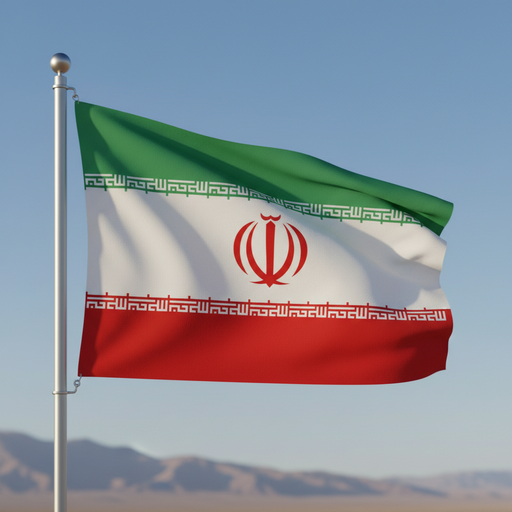


#美伊局势影响
The escalating tensions in the Iran-U.S. situation, especially after the joint military strike by the U.S. and Israel against Iran on February 28, 2026, have quickly affected multiple key areas including global energy supply, financial market stability, and geopolitical security.Official media
Impact on Global Energy Markets and Supply Chains
Direct Disruption Risks to Crude Oil Supply: Iran is a major global oil producer, accounting for about 3% of worldwide production. More critically, the Strait of Hormuz, the only maritime passage connecting the Persian Gulf and the Indian Ocean, handles approximately 20% of global oil transportation, with over 20 million barrels of crude oil passing through daily. If the situation escalates to Iran blocking the strait, it will immediately cause a break in the global energy supply chain, leading to restricted crude oil transportation, tighter supplies, longer rerouting times, and increased costs.Encyclopedia
Oil Price Fluctuations and Forecasts: Geopolitical risks are the most sensitive nerves in the crude oil market. The escalation of conflict has disrupted supply and demand balance, with market expectations of a significant rise in international oil prices. The specific impact depends on the severity of the conflict:
If Iran adopts radical measures such as blocking the Strait of Hormuz, daily oil price increases could reach 15-20%, even challenging the psychological threshold of $100 per barrel.
If the conflict continues but does not block the strait, Brent crude oil prices may fluctuate within the $90-110 per barrel range.
If the conflict escalates into a full-scale war, oil prices could surge to historic highs of $150-200 per barrel.
Related impacts on other energy and chemical products: Iran is also a major exporter of high-sulfur fuel oil and one of China's main sources of methanol imports. Once supply risks occur, prices of related commodities may also experience significant volatility. Crude oil price fluctuations will also transmit through costs, affecting olefins, polyesters, and other petrochemical products.