

Trade
Basic
Futures
Futures
Hundreds of contracts settled in USDT or BTC
Options
HOT
Trade European-style vanilla options
Unified Account
Maximize your capital efficiency
Demo Trading
Futures Kickoff
Get prepared for your futures trading
Futures Events
Participate in events to win generous rewards
Demo Trading
Use virtual funds to experience risk-free trading
Earn
Launch
CandyDrop
Collect candies to earn airdrops
Launchpool
Quick staking, earn potential new tokens
HODLer Airdrop
Hold GT and get massive airdrops for free
Launchpad
Be early to the next big token project
Alpha Points
NEW
Trade on-chain assets and enjoy airdrop rewards!
Futures Points
NEW
Earn futures points and claim airdrop rewards
Investment
Simple Earn
Earn interests with idle tokens
Auto-Invest
Auto-invest on a regular basis
Dual Investment
Buy low and sell high to take profits from price fluctuations
Soft Staking
Earn rewards with flexible staking
Crypto Loan
0 Fees
Pledge one crypto to borrow another
Lending Center
One-stop lending hub
VIP Wealth Hub
Customized wealth management empowers your assets growth
Private Wealth Management
Customized asset management to grow your digital assets
Quant Fund
Top asset management team helps you profit without hassle
Staking
Stake cryptos to earn in PoS products
Smart Leverage
NEW
No forced liquidation before maturity, worry-free leveraged gains
GUSD Minting
Use USDT/USDC to mint GUSD for treasury-level yields

More


From start to giving up, why I stopped doing Web3 payments.
2025-12-23 09:51
The Year of the New Token's Demise
2025-12-23 08:41
Trending Topics
View More52.46K Popularity
34.13K Popularity
19.27K Popularity
61.84K Popularity
346.34K Popularity
Hot Gate Fun
View More- MC:$0.1Holders:10.00%
- MC:$3.41KHolders:10.00%
- MC:$3.41KHolders:10.00%
- MC:$3.41KHolders:10.00%
- MC:$3.41KHolders:10.00%




Pin
Strike Gold by Sharing Your TradFi Orders and Pictures!
Post on Gate Square and split $10,000 in rewards!
The TradFi Gold Lucky Bag is now live—1g of real gold every 10 minutes. Trade nonstop, win nonstop!
👉 https://www.gate.com/announcements/article/49357
🎁 50 lucky winners × $200 Position Vouchers ($10 × 20 leverage)
How to Join:
1️⃣ Post your order on Square with #GateTradFi1gGoldGiveaway, including:
A trade or draw screenshot
A brief experience sharing
2️⃣ Or create a related image (AI creation allowed) with a short promo line, such as:
Get gold on Gate App — 1g every 10 minutes!
⏰ Jan 2Gate Square New & Returning Creator Rewards are ongoing!
Your ideas may be more valuable than you think!
Make your first post or come back post to share a $20,000 monthly prize pool!
Post with #MyFirstPostOnSquare to receive a $50 Position Voucher each
Monthly Top Posters and Top Engagers will each earn an extra $50 reward
Your crypto insights could inspire many—start creating today!
👉 https://www.gate.com/postGate Square “Creator Certification Incentive Program” — Recruiting Outstanding Creators!
Join now, share quality content, and compete for over $10,000 in monthly rewards.
How to Apply:
1️⃣ Open the App → Tap [Square] at the bottom → Click your [avatar] in the top right.
2️⃣ Tap [Get Certified], submit your application, and wait for approval.
Apply Now: https://www.gate.com/questionnaire/7159
Token rewards, exclusive Gate merch, and traffic exposure await you!
Details: https://www.gate.com/announcements/article/47889
Tariffs, pump-priming and digital gold: A preview of the crypto market under the crisis of a house of cards.
Author: Stable Dog Diary Source: X, @winterdog_dog
1. Macroeconomic Impact: Trade Structure, Capital Flows, and Supply and Demand of U.S. Treasuries
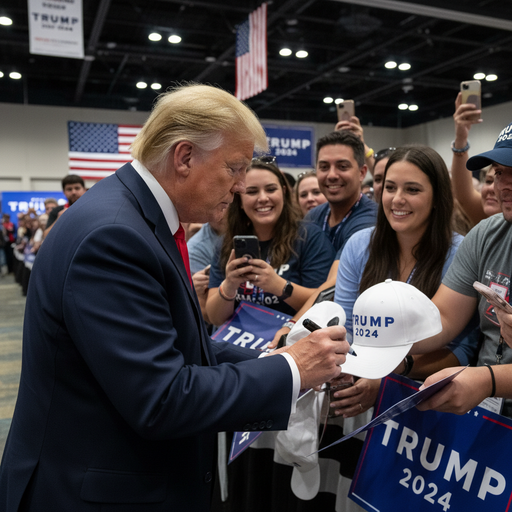
At 4 a.m., when Trump confidently presented the new tariff list, the world was caught off guard. Everyone must have witnessed what happened last night. Trump once again brandished the tariff stick, aiming to reverse the long-standing trade imbalance. This tariff strategy may reshape the U.S. trade structure and capital flows in the short term, but it also hides a new shock to the U.S. Treasury market, with the core issue being that the tariff policy may lead to a decrease in foreign demand for U.S. Treasuries, and the Federal Reserve may need more monetary easing policies to maintain the operation of the Treasury market.
So, how should we view everything that has been shattered by the tariff policy? Is there still hope? How can we save it?
Specifically, there are several aspects:
Overall, tariff policies are akin to drinking poison to quench thirst on a macro level: they provide a short-term fix for trade imbalances but weaken the dollar’s momentum in global circulation. This shift in the balance sheet is no different from transferring pressure from the trade account to the capital account, with the U.S. Treasury market being the first to bear the brunt. A blockage in macro funds will soon erupt elsewhere – the Federal Reserve must be prepared to turn on the firehose to extinguish the flames.
2. Dollar Liquidity: Decreased Exports Trigger Dollar Shortage, Federal Reserve Resumes “Brrrr”
As the supply of overseas dollars tightens due to a cooling in trade, the Federal Reserve will inevitably have to step in to alleviate dollar liquidity. As the logic above suggests, if foreigners do not earn dollars, they cannot buy U.S. Treasuries. Arthur Hayes mentioned that “the only ones left to fill the gap are the domestic central banks and banking systems in the U.S.” ( Arthur Hayes: Tariff policies may lead to a decline in foreign demand for U.S. Treasuries, and the Federal Reserve may implement more monetary easing policies to maintain the operation of the Treasury market - PANews ). What does this mean? In the words of the crypto world, it means that the printing machine of the Fed will have to start making the “Brrrr” sound again.
In fact, Federal Reserve Chairman Powell has recently hinted that quantitative easing ( QE ) may be restarted soon, with a focus on purchasing U.S. Treasury bonds. This statement indicates that the authorities also recognize that maintaining the operation of the Treasury market relies on additional dollar liquidity injections. In simple terms, the dollar shortage can only be resolved by “flooding the market with money.” The Federal Reserve is poised to expand its balance sheet, lower interest rates, and even engage the banking system to jointly purchase bonds.
However, this liquidity firefight is destined to be accompanied by a dilemma: on the one hand, the timely injection of US dollar liquidity can stabilize the interest rate of government bonds and alleviate the risk of market failure; On the other hand, sooner or later, flooding breeds inflation and weakens the purchasing power of the dollar. The supply of the US dollar has turned from an emergency to an overflow, and the value of the US dollar is bound to fluctuate wildly. It is foreseeable that in the roller coaster of “draining first, then releasing water”, the global financial market will experience a sharp swing from a strong dollar ( a ) to a weakening ( indiscriminate ). **The Fed has to walk a tightrope between stabilizing the bond market and controlling inflation, but at present, ensuring the stability of the Treasury market is a top priority, and “printing money to buy bonds” has become a political necessity. It also heralded a major turning point in the global dollar liquidity environment: from tightening to easing. History has proven time and again that once the Fed opens the floodgates, the flood will eventually spread to all corners - in the field of risky assets, including the crypto market.
II. The Impact of Bitcoin and Crypto Assets: Inflation Hedge and the Rise of “Digital Gold”
The Federal Reserve’s signal to restart the money printing machine is almost a godsend for cryptocurrencies like Bitcoin. The reason is simple: when the dollar floods the market and expectations for the depreciation of fiat currency rise, rational capital will seek an inflation-resistant reservoir, and Bitcoin is the much-anticipated “digital gold.” With its limited supply, Bitcoin’s appeal increases significantly in this macro context, and its value support logic has never been so clear: as fiat currency keeps getting “lighter,” hard currency assets will get “heavier.”
As Arthur Hayes points out, Bitcoin’s performance "depends entirely on the market’s expectations for the future fiat supply (Bitcoinprice can hit $250K in 2025 if Fed shifts to QE:ArthurHayes). When investors expect a large expansion in the supply of the US dollar and the purchasing power of paper money declines, safe-haven funds will flock to Bitcoin, an asset that cannot be over-issued. **Looking back at 2020, Bitcoin and gold flew together after the Fed’s massive OE. If the floodgates are opened again, the crypto market is likely to repeat this scene: digital assets usher in a new wave of valuation increases. Hayes boldly predicts that if the Fed shifts from tightening to printing money for Treasuries, then bitcoin is expected to have bottomed out at about $76,500 last month, and then climb all the way up to a sky-high price of $250,000 by the end of the year. While this prediction is aggressive, it reflects the strong confidence of KOLs in the crypto community in the “inflation dividend” that the extra money printed will eventually push up the list price of scarce assets such as Bitcoin.
In addition to expectations of price increases, this round of macro changes will also strengthen the narrative of “digital gold.” If the Federal Reserve’s easing leads to a loss of trust in the fiat currency system, the public will be more inclined to view Bitcoin as a means of storing value that resists inflation and policy risks, much like how people embraced physical gold in times of turmoil. It is worth mentioning that people in the crypto space have long been used to the noise of short-term policy changes. As investor James Lavish sharply satirized: “If you sell Bitcoin because of ‘tariff’ news, it means you don’t really understand what you hold in your hands” ( Bitcoin ( BTC ) Kurs: Macht ein Verkauf noch Sinn? ). In other words, savvy holders understand that the original intention of Bitcoin’s creation was to combat excessive issuance and uncertainty; every instance of money printing and policy errors further proves the value of holding Bitcoin as an alternative asset insurance. It is foreseeable that as expectations for the expansion of the dollar’s balance sheet heat up and safe-haven funds increase their allocation, the image of Bitcoin as “digital gold” will become more deeply ingrained in the minds of the public and institutions.
“
4. Potential Impact on the DeFi and Stablecoin Market: Demand for Stablecoins and Yield Curve Under Dollar Volatility
The significant fluctuations of the US dollar not only affect Bitcoin but also have a profound impact on stablecoins and the DeFi sector. Dollar stablecoins like USDT and USDC serve as substitutes for the US dollar in the crypto market, and their demand will directly reflect investors’ changing expectations regarding US dollar liquidity. Additionally, the on-chain lending rate curve will also change with the macroeconomic environment.
Stablecoin demand: When the dollar is in short supply, the offshore market often “saves the country” through the stablecoin curve. When it is difficult to obtain US dollars overseas, USDT is often traded at a premium over-the-counter because everyone is grabbing the straw of the digital dollar. Once the Fed releases water aggressively, it is likely that some of the new dollars will flow into the crypto market, driving a large-scale additional issuance of USDT/USDC to meet trading and hedging needs. In fact, the issuance of stablecoins in recent months has shown that this has actually begun. In other words, regardless of whether the dollar strengthens or weakens, the rigid demand for stablecoins will only increase: either because of the lack of dollars and seek its replacement, or because of the fear of fiat currency depreciation, the funds will be moved to the chain for temporary avoidance. Especially in emerging markets and highly regulated regions, stablecoins play the role of a substitute for the US dollar, and every fluctuation of the US dollar system strengthens the existence of stablecoins, the “$crypto dollar”. It is conceivable that if the US dollar enters a new round of depreciation cycle, investors may rely more on stablecoins such as USDT to circulate in the currency circle in order to preserve assets, thereby driving the market value of stablecoins to a new high.
DeFi Yield Curve: The tightening of U.S. dollar liquidity will also be transmitted to the DeFi lending market through interest rates. In times of dollar shortage, on-chain dollars became precious, interest rates on Stablecoin soared, DeFi yield curves steeply rose ( lenders demanded higher return ). Conversely, when the Fed’s deflection leads to abundant dollars in the market and traditional interest rates fall, the stablecoin interest rate in DeFi becomes relatively attractive, attracting more funds to pour into the chain to obtain income. An analysis report pointed out that in anticipation of the Federal Reserve entering the interest rate cut channel, DeFi yields are starting to regain attractiveness, the stablecoin market size has recovered to a high of about $178 billion, and the number of active wallets has stabilized at more than 30 million, showing signs of recovery. As interest rates fall, more money may be redirected on-chain to earn higher yields, further accelerating this trend. Analysts at Bernstein even expect stablecoins to see their annualized yields on DeFi rise back above 5% as demand for crypto credit grows, outpacing the returns of U.S. money market funds. This means that DeFi has the potential to provide relatively better yields in a low-interest rate macro environment, thereby attracting the attention of traditional capital. However, it should be noted that if the Fed’s easing eventually triggers a rise in inflation expectations, stablecoin lending rates may also rise again to reflect the risk premium. As a result, DeFi’s yield curve is likely to reprice in a “down, then up” volatility: flattening on the back of abundant liquidity and then steepening under inflationary pressures. But overall, as long as the dollar liquidity is flooded, the trend of massive capital pouring into DeFi in search of returns will be irreversible, which will both push up the price of high-quality assets and drive down the level of risk-free rates, shifting the entire yield curve in favor of borrowers.
In summary, the macro chain reaction triggered by Trump’s tariff policy will profoundly affect all aspects of the cryptocurrency market. From macroeconomics to dollar liquidity, and then to Bitcoin trends and the DeFi ecosystem, we are witnessing a butterfly effect: the trade war stirs a currency storm, as the dollar fluctuates violently, Bitcoin is poised for action, while stablecoins and DeFi encounter opportunities and challenges in the cracks. For astute cryptocurrency investors, this macro storm is both a risk and an opportunity — as the popular saying in the crypto community goes: “The day the central bank prints money is the day Bitcoin ascends to the throne.” Objectively, the rampant tariff model has practically propelled this process. Perhaps the OE is getting closer as a result. Although I don’t usually like to engage in narratives like “a grand chess game,” it seems that this is currently the most positive and clear perspective.